Is your marina as deep and accessible as it once was? Over time, all marinas face a common challenge: sediment buildup. This natural process can slowly but surely reduce water depth. It impacts navigation, limits which boats can use your slips, and can even affect your business’s bottom line. The solution often involves a specialized process known as marina dredge. Marina dredging is the process of removing accumulated silt, sand, mud, and other materials from the bottom of waterways. It helps restore original depths and maintains safe passage for vessels. This essential maintenance task ensures your marina remains a thriving, accessible, and profitable hub for boaters and businesses alike.
Why Marina Dredging is Non-Negotiable for Success
Maintaining proper water depth is more than just a convenience; it is crucial for a marina’s long-term success and safety. Neglecting sediment buildup can lead to serious operational and financial problems. Understanding these reasons highlights why regular dredging is a vital investment.
Ensuring Safe Navigation & Access
Shallow spots pose significant risks to vessels. Boats can run aground, causing damage to hulls, propellers, and rudders. This not only creates safety hazards for boaters but also increases your marina’s liability. Deep, clear channels ensure safe passage for all sizes of boats.
Maximizing Slip Rentals & Revenue
Boaters seek marinas with ample depth to accommodate their vessels. If your slips become too shallow, larger or deeper-draft boats will avoid your facility. This directly leads to lost rental income and a decrease in occupancy rates. Keeping depths optimal maximizes your earning potential.
Protecting Marina Infrastructure
Sediment can accumulate around docks, pilings, and seawalls. This buildup can accelerate erosion and damage these crucial structures over time. Regular sediment removal helps protect your infrastructure, extending its lifespan and reducing costly repairs. It is a proactive measure against structural degradation.
Environmental Health & Compliance
Excessive sediment can negatively impact water quality and local aquatic ecosystems. Dredging, when done correctly, can improve water circulation and habitat health. It also helps marinas comply with environmental regulations, avoiding potential fines and maintaining a good reputation within the community.
Understanding Marina Dredging Methods: Which is Right for You?
Dredging is not a one-size-fits-all solution. Different marinas and sediment types require specific approaches. Choosing the right method is key to an effective and efficient project. Let us look at the two main types.
Hydraulic Dredging: The Precision Approach
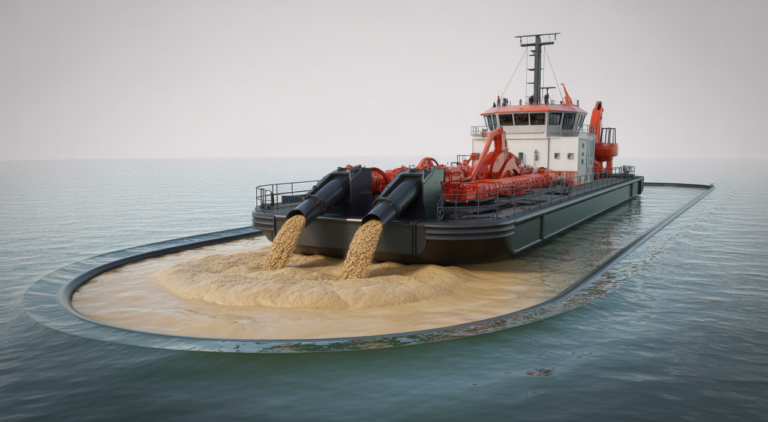
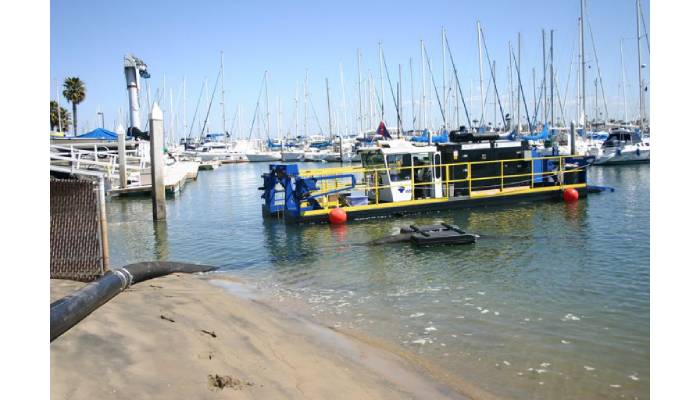
This method uses a pump to create a vacuum, sucking up a mixture of water and sediment. The material is then moved through a pipeline to a disposal site. Hydraulic dredges are often compared to giant vacuum cleaners for the seabed.
Pros:
- Causes minimal disruption to marine life and surrounding areas.
- Offers precise control over the depth being cleared.
- Very effective for removing fine sediments like silt and mud.
- Modern equipment can be highly efficient for large volumes.
Cons:
- Requires a large area for water and sediment disposal.
- Not ideal for very dense materials or large debris.
Best for:
Large areas, ongoing maintenance dredging, and environmentally sensitive zones.
Mechanical Dredging: The Powerhouse Solution
Mechanical dredging uses heavy machinery like excavators or clamshell buckets mounted on barges. These machines physically scoop up sediment from the bottom. The material is then loaded onto separate barges for transport.
Pros:
- Highly effective for removing dense, compacted materials, clay, and debris.
- Less dependent on water availability for disposal.
- Can be more adaptable for sites with restricted access.
Cons:
- Can cause more turbidity (cloudiness) in the water.
- Generally slower and can be more disruptive to the immediate area.
Best for:
Removing heavy debris, initial capital dredging, and smaller, specific areas.
Specialized & Emerging Methods
Beyond the main two, there are also advanced methods. These include pneumatic dredges that use air pressure or agitation dredging for specific conditions. Some focus purely on eco-dredging, prioritizing minimal environmental impact.
The Marina Dredging Process: From Planning to Project Completion
A successful dredging project involves careful planning and execution. It’s a multi-step process that ensures efficiency, compliance, and lasting results. Understanding these stages helps marina owners prepare effectively.
Initial Assessment & Hydrographic Survey
The first step is to accurately map the marina’s current depth and identify areas of sediment buildup. A hydrographic survey uses specialized equipment to measure water depth and map the seabed. This helps determine the volume and type of material to be removed.
Navigating Permits & Regulations
Dredging projects are subject to strict environmental regulations. Various agencies, like local environmental protection bodies or port authorities, require permits. Navigating these requirements can be complex, often needing expert guidance. Proper permitting ensures legal compliance and avoids delays.
Project Planning & Mobilization
Once permits are secured, a detailed project plan is developed. This includes selecting the most suitable dredging equipment and outlining safety protocols. Mobilization involves bringing the necessary machinery and personnel to the site.
Execution & Monitoring
The dredging operation then begins, carefully removing the specified sediment. Throughout the process, continuous monitoring ensures that work adheres to environmental guidelines. This includes checking water quality and sediment levels. Sediment disposal is also managed according to regulatory approvals.
Post-Dredging & Long-Term Maintenance
After dredging is complete, another survey confirms the new depths. This verification ensures the project goals were met. Long-term maintenance plans can then be put in place to manage future sediment accumulation. This might involve periodic smaller-scale dredging or other preventative measures.
What Does Marina Dredging Cost? Factors Influencing Your Investment
Understanding the cost of marina dredging is essential for budget planning. Several factors contribute to the overall investment. Knowing these can help you get accurate quotes and plan for the future.
Volume & Type of Sediment
The amount of material to be removed is a primary cost driver. Removing more sediment costs more. Also, the type of sediment matters: sand is generally easier to dredge than heavy clay or areas with significant debris.
Desired Depth & Area
The target depth and the total area needing to be dredged directly impact labor and equipment time. Deeper or wider areas naturally require more effort and resources. Clearly defining your project’s scope is crucial.
Site Accessibility & Logistics
Marinas with limited access points or remote locations can incur higher mobilization costs. The ease of getting equipment in and out, and the distance to disposal sites, play a significant role in pricing.
Disposal Method & Location
Where the dredged material goes is a major cost factor. Options include upland disposal (on land), open water disposal (if permitted), or beneficial use (repurposing the material). Each method has its own logistical and regulatory costs.
Regulatory & Permitting Fees
Obtaining the necessary permits can involve fees and costs for environmental studies. These expenses are a mandatory part of ensuring your project is compliant and sustainable.
The ROI of Proactive Dredging
While there’s an upfront cost, proactive dredging is an investment. It prevents lost revenue from unusable slips and avoids emergency repairs. It also increases your property’s value and appeal. To truly maximize your property value, keeping your marina in top condition is key.
Environmental Considerations & Responsible Marina Dredging
Modern dredging practices place a strong emphasis on environmental stewardship. Responsible dredging aims to achieve project goals while minimizing harm to ecosystems. This includes careful planning and execution.
Minimizing Turbidity & Water Quality Impacts
Dredging can stir up sediment, increasing turbidity in the water. Best management practices, such as using silt curtains or specific dredging techniques, help keep this to a minimum. This protects sensitive aquatic life.
Sediment Testing & Contaminant Management
Before any dredging begins, sediment samples are tested for contaminants. This ensures that the material is disposed of safely and responsibly. If contaminants are present, special handling and disposal procedures are followed.
Protecting Marine Life & Habitats
Project timing can be critical to avoid disrupting fish spawning seasons or bird nesting periods. Using eco-friendly dredging methods and equipment also helps protect sensitive habitats. The goal is to conduct operations with as little disturbance as possible. Seeking quality consultancy services can ensure environmental best practices are always followed.
Is Your Marina Ready for a Dredge? Signs It’s Time for Action
Not sure if your marina needs dredging? Look for these common indicators. Recognizing these signs early can save you significant trouble and expense down the line.
Visible Sediment Accumulation
You might notice muddy banks, exposed seabed at low tide, or shallower spots than usual. These are clear visual cues that sediment is building up.
Boats Grounding or Striking Bottom
If boaters are regularly complaining about hitting the bottom, or if larger vessels struggle to access slips, it’s a strong sign. Your marina’s depth is no longer adequate for its users.
Reduced Occupancy or Complaints from Boaters
Declining slip rentals or feedback from boaters about inaccessible areas indicate a problem. They might be seeking deeper waters elsewhere.
Changes in Water Flow or Clarity
Stagnant water or increased murkiness can be caused by excessive sediment. This affects water quality and the overall appeal of your marina.
Outdated Hydrographic Surveys
If your last depth survey was years ago, it’s time for an update. Sediment accumulates continuously, so old data won’t reflect current conditions.
Conclusion: Secure Your Marina’s Future with Expert Dredging
Maintaining a healthy, deep marina is vital for its longevity, profitability, and environmental well-being. Proactive marina dredging addresses the silent threat of sediment buildup, ensuring safe navigation and maximizing your operational potential. It’s an investment that pays dividends in safety, revenue, and compliance.To learn more about comprehensive marina maintenance solutions, including expert dredging services tailored to your unique needs, visit our dedicated marina maintenance page today. Our team is ready to help you plan and execute your next dredging project with precision and efficiency.
Frequently Asked Questions
How often should a marina be dredged?
The frequency of dredging depends on several factors. These include the natural sediment load of the waterway, water currents, boat traffic, and the desired depth. Some marinas may need dredging every few years, while others can go a decade or more. Regular hydrographic surveys are the best way to determine the optimal schedule for your specific location.
What is the difference between capital dredging and maintenance dredging?
Capital dredging refers to the initial removal of sediment to create new or significantly deeper navigation channels and berthing areas. It often involves larger volumes of material. Maintenance dredging, on the other hand, is the ongoing, periodic removal of naturally accumulated sediment. This restores previously dredged depths and maintains existing channels and berths. Maintenance dredging usually involves smaller volumes and is part of regular upkeep.