What should you look for in a flare system manufacturer?
For any refinery, petrochemical plant, LNG terminal, or biogas facility, the flare is a silent guard on duty 24/7. It protects people, equipment, and the environment by safely burning off excess or emergency gases. So choosing the right flare system manufacturer is not just a purchasing decision. It is a long-term safety, compliance, and profitability decision.
This guide walks you through the key points to check before you sign a contract. You will learn how flare systems work, what makes one supplier more reliable than another, and how to think about lifetime cost, not just initial price. The aim is to help you shortlist strong partners and avoid costly redesigns or unplanned shutdowns later.
While the focus is global, the examples and decision style will feel familiar if you are an Indian investor or project owner used to balancing budget, regulatory needs, and fast project timelines.
1. Understanding Flare Systems & Their Components
What is a flare system?
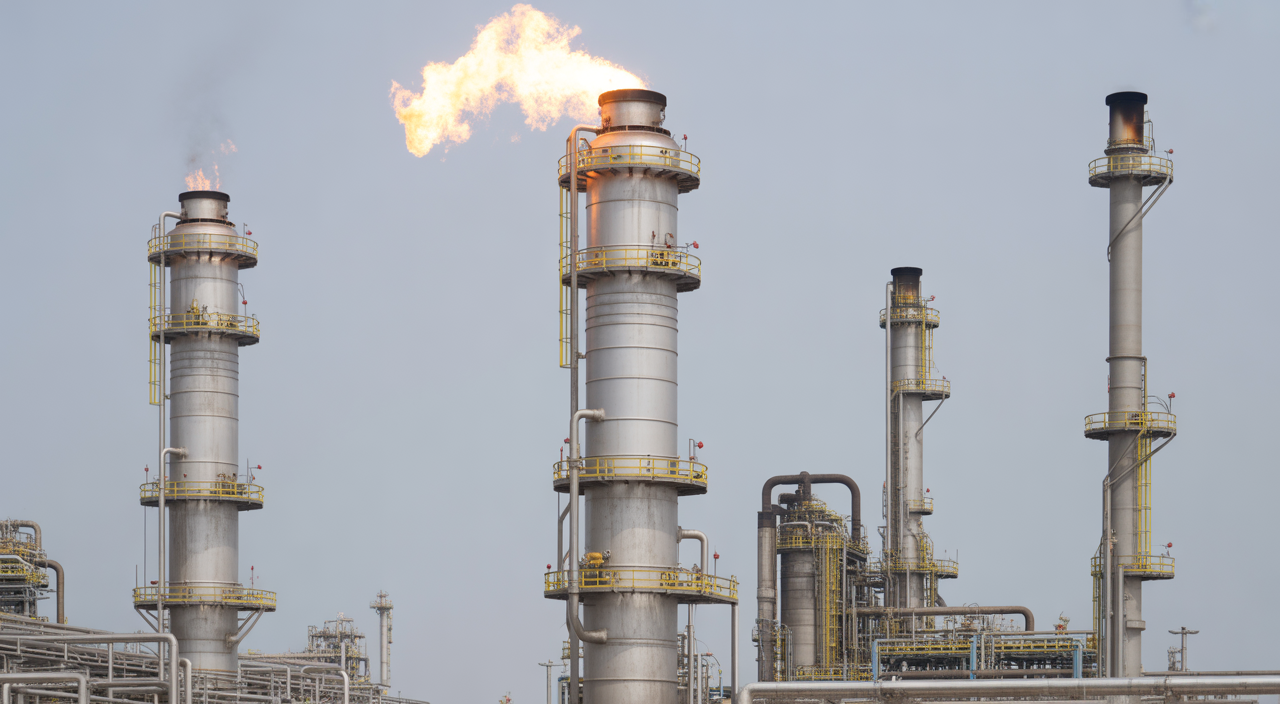
A flare system is a safety device that burns waste or excess gases in a controlled way. Instead of venting raw gas into the air, the system sends it to a flare tip where it mixes with air and burns at high temperature. This process, called waste vapor combustion, reduces harmful emissions and lowers explosion risk.
Flare systems are used in refineries, gas processing plants, petrochemical complexes, and even landfills and biogas projects. During start-up, shutdown, or upset conditions, they act like a pressure relief valve for your whole plant.
Key components you should know
Even if you are not a process engineer, it helps to know the main parts of a modern process flare system:
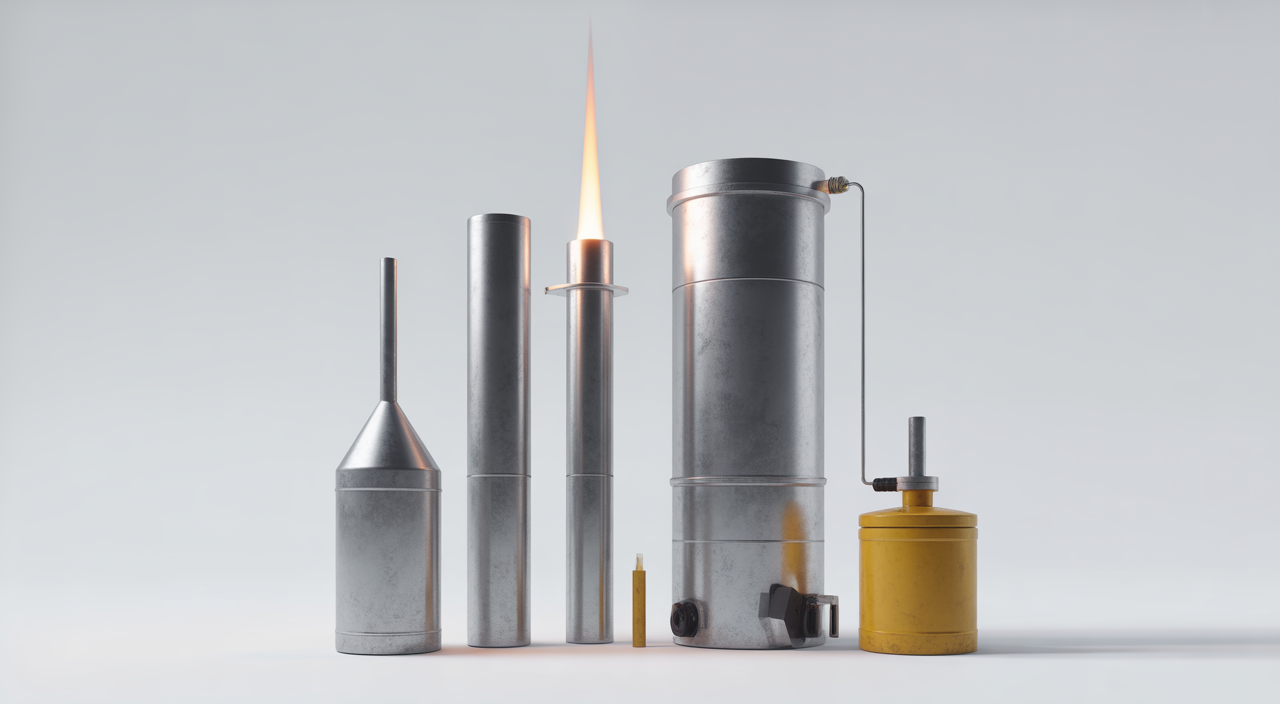
- Flare tip: The top part where the gas burns. Design here decides smokeless performance, noise level, and destruction efficiency.
- Flare stack: The tall structure that carries the gas up to a safe height. For offshore or compact sites there may be a boom or ground flare instead of a tall stack.
- Knock-out drum: Also called a flare knock out drum. It removes liquids before gas enters the flare. This protects the tip and prevents liquid carryover.
- Pilot and ignition system: Keeps a constant small flame so that any incoming gas lights immediately. This is critical for safety compliance.
- Piping and header: The flare header design decides how different units feed into the system and how pressure is managed.
When you review offers, see if the supplier explains these components clearly and shows how they are sized for your capacity and gas mix, including sour or acid gas flare streams.
Why standards like API 521 matter
Global projects normally follow API 521, which covers pressure-relieving and depressuring systems. For flares, it helps with flare stack design, relief load estimation, and safety margins. Environmental rules, such as local pollution control norms or international guidelines, also apply.
A good manufacturer will not just say “compliant with API.” They will walk you through how design choices meet the specific clauses that apply, and how they handle local approvals in your region.
2. Why Your Choice of Manufacturer Matters
Safety and compliance first
A flare is rarely used at full load, but when it is needed, it must work perfectly. Poor design or fabrication can lead to unstable flames, visible smoke, or even flashback into the system. This can trigger regulatory penalties or shut-ins.
The right partner designs with enough capacity, proper backpressure limits, and proven pilot and seal systems so your operations team sleeps peacefully at night.
Reliability and downtime risk
Unplanned downtime on a flare can mean halting production until the issue is fixed. For a refinery or gas processing plant, this can translate into massive opportunity cost. A strong flare system manufacturer focuses on durable materials, corrosion control, and easy access for inspection and maintenance.
Ask for real examples where their systems have run for years with minimal outage and what typical maintenance intervals look like.
Environmental performance and emissions
Today, most boards and investors want to reduce flaring and show clear emissions control. Modern emissions control flares and flare gas recovery systems help convert waste into value and cut visible smoke and noise.
Look for vendors who offer smokeless flare tip options, flare gas recovery trains, and solutions that support your ESG reporting and future carbon pricing scenarios.
3. Seven must-have criteria for evaluating a flare system manufacturer
1. Technical expertise and custom engineering
No two sites are fully alike. Relief cases, gas composition, and layout vary. Your supplier should be comfortable with custom engineering, not just catalogue products. Ask who will actually design your flare, what software they use, and how they validate hydraulic and dispersion studies.
2. Global codes and certifications
Check if the company works regularly with API, ISO, and other widely accepted standards. For hazardous areas, ensure their instruments and control panels can meet suitable zone or area classifications.
Certificates of material, welding procedures, and test records should be standard, not special requests.
3. Modular vs site-built solutions
Many customers now prefer modular skid-based systems to reduce site work and speed up commissioning. If your site has tight timelines or limited skilled labour, a modular combustion flare system can be a smart choice.
Discuss with the vendor whether modules will be shop-tested, and what lifting and transport limits may apply in your region.
4. True turnkey capability
A capable flare system supplier should support you from early design through fabrication, shipping, installation, and commissioning. This end-to-end support reduces interface gaps between different contractors.
For complex projects, ask whether they can integrate a flare gas recovery system from the start, or at least reserve plot space and connections for a future upgrade.
5. After-sales service and maintenance support
Once the system is live, your relationship really starts. Clarify how quickly they can send a field engineer, what remote support tools they offer, and whether spare parts are stocked regionally.
For Indian and Asian sites, check if they have local partners or trained technicians. A well-planned service agreement keeps pilot systems, seals, and tips healthy and avoids surprises.
6. Data transparency and performance guarantees
Insist on clear numbers: maximum relief capacity, smokeless capacity, destruction efficiency, noise levels, and expected flare gas management benefits. These should be backed by test data or references.
Performance guarantees on key parameters show the company is confident about their process flare equipment and design methods.
7. Total cost of ownership focus
Price per tonne or per MW is only one piece. A flare system has ongoing costs in purge gas, steam, instrument air, inspections, and occasional tip replacement.
A strong manufacturer will help you compare options on total cost of ownership over 10–20 years, not just capital cost. This is similar to looking beyond sticker price in other engineering purchases, as explained in this guide on engineering standards compliance and lifecycle thinking.
4. Simple TCO and ROI thinking for flare systems
You do not need a complex calculator to get a quick sense of payback, especially if flare gas recovery is on the table. Think in three steps:
- Estimate the average volume of gas you currently flare in normal operation.
- Multiply by its energy or product value per year.
- Compare this value to the extra investment for a recovery train or higher-efficiency system.
Even a basic annual saving vs investment comparison will show if your project has a 3-year, 5-year, or longer payback. A good supplier will refine this with more detailed models.
5. Practical checklist for your vendor shortlist
Use this quick checklist when you compare any flare system manufacturer:
- Experience with your industry and similar gas compositions
- Proven designs for smokeless operation and low noise
- Clear compliance with API 521 and local environmental rules
- Option for modular design and future upgrades like recovery
- Documented performance data and client references
- Strong after-sales and regional service presence
- Transparent TCO and ROI discussion, not just lowest bid
Keeping such a list handy makes technical and commercial reviews much smoother for your internal team and investors.
6. Example outcomes from strong flare projects
When plants choose the right partner, they see very tangible benefits. Refinery clients often report reduced visible flaring, fewer complaints from nearby communities, and easier regulatory audits. Biogas projects see better destruction of odorous compounds and stable operation across seasonal gas variations.
Across sectors, users commonly see lower operating costs when flare gas recovery or efficient pilot systems are included from the start. Over the life of the asset, this can easily outweigh a slightly higher initial contract price.
For more on integrating technical decisions with overall business growth, you may enjoy this overview on building reliable 24×7 technical infrastructure, which follows a similar long-term thinking approach.
7. FAQs on flare system manufacturers
How do I make sure my flare meets API 521 sizing guidance?
Work with a supplier who has in-house process engineers used to performing relief load studies. They should calculate worst-case scenarios, include simultaneous relief events where needed, and run hydraulic checks on the whole flare header. Ask them to share a simplified version of the sizing basis so your own consultants can review and sign off.
Can I add a flare gas recovery system later if budget is tight now?
Yes, many plants do this. During the first phase, request your manufacturer to reserve space and nozzles for a future recovery train, and to design the flare header with that in mind. This keeps your upgrade smoother and cheaper when you are ready to capture value from gas that is currently being burned.
What is the main difference between open and enclosed flares?
An open flare has the flame visible at the top of the stack or boom. An enclosed flare hides the flame inside a shell and often offers better noise and radiation control. Enclosed designs are popular where visual impact or nearby buildings are a concern. Your chosen manufacturer should be able to advise which type suits your land, neighbours, and regulations best.
How often should a flare system be inspected?
Most operators perform routine visual checks daily or weekly, with more detailed inspections during planned shutdowns. Critical items such as pilots, seals, and tips are typically checked during major turnarounds. Your supplier should provide a recommended maintenance schedule tailored to your operating profile so you can plan manpower and spares accordingly.