Reducing the carbon footprint of industrial processes is a top priority for industries worldwide, driven by the need to combat climate change, comply with environmental regulations, and improve overall energy efficiency. One innovative solution that has emerged as a game-changer in achieving these goals is the waste heat boiler. These systems capture and repurpose heat generated as a by-product of industrial operations, converting it into useful energy.
Understanding Waste Heat Boilers
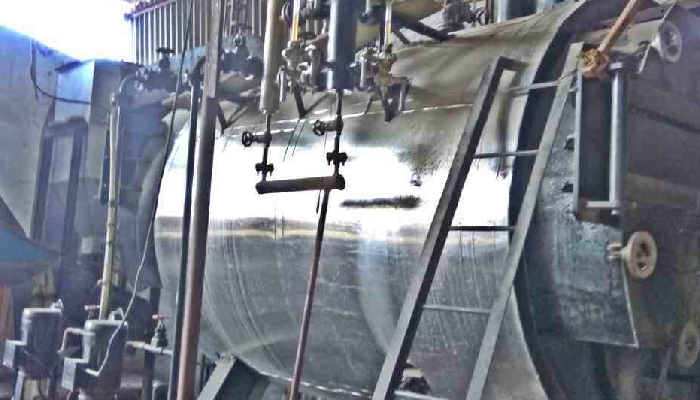
A waste heat boiler is a specialized device that recovers heat produced as a by-product of industrial processes, such as chemical manufacturing, power generation, and steel production. In most industries, waste heat is typically released into the atmosphere, resulting in energy inefficiency and higher carbon emissions.
The design of a waste heat boiler varies depending on the application, but they generally consists of heat exchangers, economizers, and condensers. These components work together to efficiently capture heat from sources like exhaust gases, flue gases, or hot liquids, ensuring minimal energy wastage.

The Role Of Waste Heat Boilers In Carbon Footprint Reduction
1. Lowering Greenhouse Gas Emissions
Industries are major contributors to greenhouse gas emissions, primarily through the burning of fossil fuels to meet energy needs. By recovering waste heat and converting it into usable energy, waste heat boilers reduce the reliance on additional fossil fuels. This directly translates to lower carbon dioxide (CO2) emissions, significantly reducing an industry’s environmental impact.
2. Enhancing Energy Efficiency
Energy efficiency is a critical factor in reducing carbon footprints. Waste heat boilers maximize the utilization of available energy by recovering heat that would otherwise be wasted. This efficiency not only reduces emissions but also lowers the overall energy demand of the industrial process.
Applications Of Waste Heat Boilers In Various Industries
1. Power Generation
Power plants often produce large quantities of heat as a by-product of electricity generation. Waste heat boilers capture this heat and use it to generate additional power, making the process more energy-efficient. Combined Heat and Power (CHP) plants are a prime example, as they integrate waste heat recovery to achieve higher efficiency and reduce emissions.
2. Chemical And Petrochemical Industries
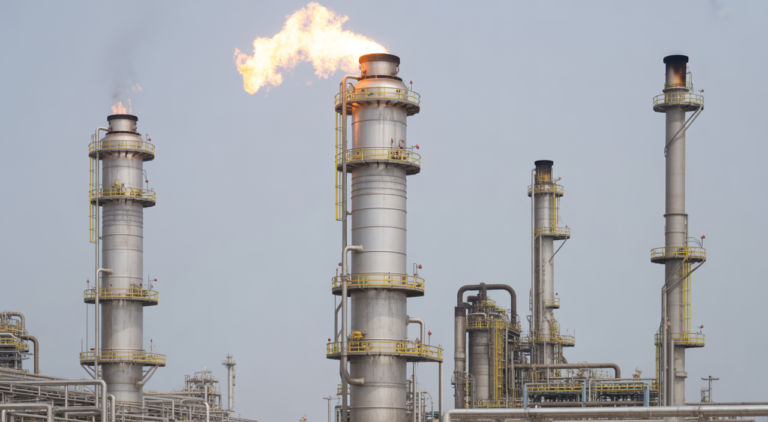
The chemical industry is one of the largest contributors to greenhouse gas emissions due to its energy-intensive processes. Waste heat boilers are widely used in these industries to recover heat from high-temperature processes, such as cracking and reforming, and are used for steam generation or other energy needs.
3. Steel And Metal Production
Steel and metal manufacturing processes generate significant amounts of waste heat, particularly in furnaces and kilns. By employing waste heat boilers, these industries can recover and repurpose the heat to power equipment, reducing fuel consumption and carbon emissions.
4. Cement Manufacturing
The cement industry is another major emitter of CO2. Waste heat boilers capture heat from kiln exhaust gases and use it for power generation or preheating raw materials, helping to reduce emissions and energy costs.
Advantages Of Waste Heat Boilers
1. Cost Savings
By utilizing waste heat boilers, industries can significantly reduce energy expenses. The recovery of waste heat minimizes the need for additional fuel, lowering operational costs. Over time, the savings can offset the initial investment in waste heat boiler systems, making them a financially viable solution.
2. Compliance With Environmental Regulations
With increasing pressure from governments and environmental agencies to reduce emissions, industries are required to adopt greener practices. Waste heat boilers help companies meet these regulations by improving energy efficiency and cutting greenhouse gas emissions, avoiding penalties, and fostering a positive public image.
3. Improved Sustainability
Incorporating waste heat boilers into industrial processes demonstrates a commitment to sustainable practices. By reducing energy consumption and emissions, companies contribute to a more sustainable future while maintaining competitiveness in the market.
4. Versatility
Waste heat boilers are highly adaptable and can be customized to fit a wide range of industries and applications. Whether it’s recovering heat from flue gases in a power plant or exhaust gases in a steel mill, these systems can be tailored to meet specific needs.
Challenges And Considerations
Despite their numerous benefits, waste heat boilers come with certain challenges that industries must address to maximize their potential.
1. Initial Investment Costs
The installation of waste heat boiler systems can require significant capital investment, including the costs of equipment, integration, and maintenance. However, the long-term energy savings and environmental benefits often outweigh these initial costs.
2. System Design And Complexity
Designing a waste heat boiler system requires a thorough understanding of the industrial process to ensure optimal heat recovery. Factors such as temperature variations, flow rates, and material compatibility must be carefully considered.
3. Maintenance Requirements
Regular maintenance is essential to keep waste heat boilers functioning efficiently. This includes cleaning heat exchangers, inspecting components, and addressing any wear and tear. Proper maintenance ensures the system operates at peak efficiency, prolonging its lifespan and maximizing energy savings.
Future Of Waste Heat Boilers
As industries continue to seek sustainable solutions to combat climate change, the demand for waste heat boilers is expected to grow. Innovations in design, materials, and automation are likely to enhance their efficiency and reduce costs, making them more accessible to a wider range of industries.
Additionally, government incentives and policies promoting energy efficiency and emissions reduction will further drive the adoption of waste heat boilers. These systems are poised to play a critical role in the transition to greener, more sustainable industrial practices.
Conclusion
The integration of waste heat boilers in industrial processes is a powerful strategy to reduce carbon footprints, improve energy efficiency, and comply with environmental regulations. By capturing and repurposing waste heat, these systems help industries minimize energy wastage and greenhouse gas emissions, contributing to a more sustainable future. While challenges such as initial costs and maintenance requirements exist, the long-term benefits of waste heat boilers far outweigh these drawbacks, making them a vital component of modern industrial operations.
Resource URL:
https://en.wikipedia.org/wiki/Waste_heat_recovery_unit