Harnessing nature’s cooling power, the concept of radiant cooling has emerged as an innovative approach to creating comfortable indoor environments. Inspired by the principles of thermal radiation, radiant cooling systems leverage the inherent properties of surfaces to dissipate heat and provide a refreshing cooling effect. Unlike conventional air conditioning methods that rely on forced air circulation, radiant cooling works by emitting low-temperature radiant energy, which is absorbed by objects and occupants in the room. This gentle and natural cooling sensation eliminates the need for excessively low air temperatures, reducing energy consumption and promoting energy efficiency. Radiant cooling offers a range of applications in residential, commercial, and industrial settings, providing sustainable and comfortable cooling solutions. By harnessing nature’s cooling power, radiant cooling is paving the way for a more eco-friendly and efficient approach to indoor climate control.
Components And Infrastructure Of Radiant Cooling Systems
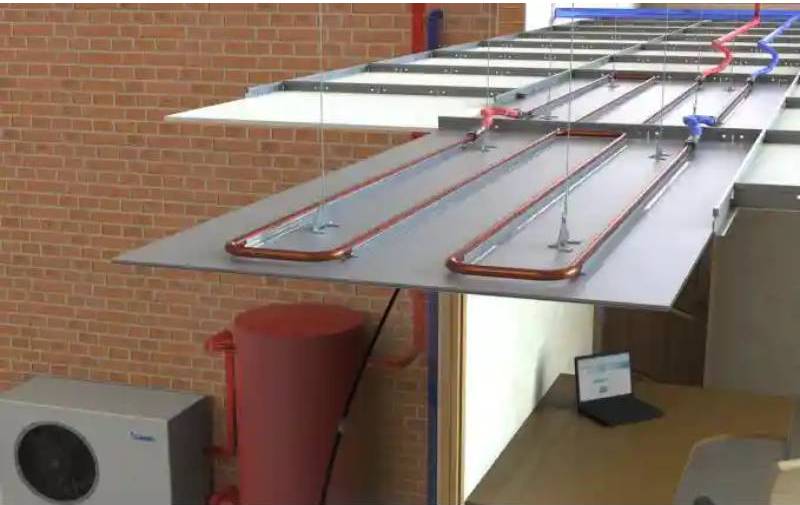
Radiant cooling systems consist of various components and infrastructures that work together to provide efficient and sustainable cooling solutions. The key components include a network of embedded pipes or panels, typically made of high thermal conductivity materials, such as copper or aluminum, which are integrated into the building structure. These pipes circulate chilled water or a cool fluid, absorbing heat from the surrounding space. A central cooling plant, comprising chillers, pumps, and heat exchangers, provides the chilled water supply. Additionally, sensors, controls, and actuators ensure precise temperature regulation and energy optimization. The infrastructure also encompasses insulation, reflective surfaces, and proper thermal mass to enhance radiant cooling india performance and distribute cooling effectively throughout the building, promoting a comfortable and eco-friendly environment.
Design Considerations For Efficient Radiant Cooling Implementation
Efficient implementation of radiant cooling systems requires careful consideration of several design factors. First, the building’s thermal load and occupancy patterns must be analyzed to determine the appropriate cooling capacity and distribution layout. The selection of high thermal conductivity materials for the radiant surfaces, such as floors, ceilings, or walls, maximizes heat transfer efficiency. Adequate insulation and vapor barriers are crucial to minimize heat gain and condensation. Proper integration with other building systems, such as ventilation and HVAC, ensures optimal air quality and temperature control. Advanced controls and sensors enable precise monitoring and adjustment of cooling levels based on real-time conditions. Lastly, regular maintenance and system commissioning guarantee long-term efficiency and performance, ensuring a successful implementation of radiant cooling technology.
Integration Of Radiant Cooling With Building Architecture
The integration of radiant cooling with building architecture is a crucial aspect of its successful implementation. Architects and engineers must collaborate closely to seamlessly incorporate the radiant cooling system into the overall design. The design should consider factors such as the positioning of radiant surfaces, such as floors, walls, or ceilings, to maximize heat exchange and thermal comfort. The layout of the piping or panel network should be carefully planned to ensure efficient and even distribution of cooling throughout the building. Additionally, the selection of appropriate materials and finishes for radiant surfaces should align with the aesthetic vision of the building while maintaining high thermal conductivity. Integration with other architectural elements, such as insulation, lighting, and acoustic systems, should also be considered to achieve a harmonious and efficient building design. By thoughtfully integrating radiant cooling with building architecture, both functional and aesthetic objectives can be achieved.
Energy Efficiency And Sustainability Benefits Of Radiant Cooling
Radiant cooling offers significant energy efficiency and sustainability benefits, making it an attractive choice for modern buildings. Firstly, radiant cooling systems operate at higher chilled water temperatures compared to traditional air conditioning, resulting in reduced energy consumption by the central cooling plant. This leads to lower electricity usage and, consequently, decreased carbon emissions. Secondly, radiant cooling eliminates the need for energy-intensive air distribution systems, such as fans or ducts, which further reduces energy consumption. Additionally, the ability to use alternative energy sources, such as solar or geothermal, to generate chilled water enhances the system’s sustainability. Moreover, radiant cooling provides personalized comfort by directly cooling occupants and reducing overall cooling loads. This targeted approach minimizes wasteful energy consumption. Furthermore, radiant cooling systems can be combined with energy storage solutions, enabling off-peak cooling and load shifting, maximizing energy efficiency. Overall, radiant cooling offers substantial energy savings, enhanced occupant comfort, and contributes to a more sustainable built environment.
Real-World Applications Of Radiant Cooling Technology
Radiant cooling technology has found real-world applications in various sectors, offering energy-efficient and sustainable cooling solutions. In commercial buildings, such as offices, retail spaces, and hotels, radiant cooling systems are used to provide comfortable and consistent cooling while reducing energy consumption. They can be integrated into raised floors, ceilings, or panels to efficiently cool large areas. In residential buildings, radiant cooling is gaining popularity as an alternative to conventional air conditioning, offering energy savings and improved comfort. Radiant cooling is also used in industrial settings, such as manufacturing facilities, warehouses, and data centers, where precise temperature control and efficient cooling are critical. Additionally, radiant cooling is applied in specialized environments like museums, art galleries, and server rooms, where maintaining stable temperature and humidity levels are essential for preserving delicate artifacts or sensitive equipment. The versatility and energy efficiency of radiant cooling technology make it a viable solution across a wide range of applications, contributing to sustainable and comfortable built environments.
Challenges And Future Outlook Of Radiant Cooling Systems
Radiant cooling technology has found real-world applications in various sectors, offering energy-efficient and sustainable cooling solutions. In commercial buildings, such as offices, retail spaces, and hotels, radiant cooling systems are used to provide comfortable and consistent cooling while reducing energy consumption. They can be integrated into raised floors, ceilings, or panels to efficiently cool large areas. In residential buildings, radiant cooling is gaining popularity as an alternative to conventional air conditioning, offering energy savings and improved comfort. Radiant cooling is also used in industrial settings, such as manufacturing facilities, warehouses, and data centers, where precise temperature control and efficient cooling are critical. Additionally, radiant cooling is applied in specialized environments like museums, art galleries, and server rooms, where maintaining stable temperature and humidity levels is essential for preserving delicate artifacts or sensitive equipment. The versatility and energy efficiency of radiant cooling technology makes it a viable solution across a wide range of applications, contributing to sustainable and comfortable built environments.
Conclusion
Radiant cooling harnesses the power of nature to provide efficient and sustainable cooling solutions for buildings. By utilizing the principles of thermal radiation, it offers a promising alternative to traditional air conditioning systems. Radiant cooling systems, with their network of pipes or panels embedded in building surfaces, effectively transfer heat from occupants and objects, creating a comfortable indoor environment. The integration of radiant cooling with building architecture ensures seamless functionality and aesthetic appeal. Moreover, the energy efficiency and sustainability benefits of radiant cooling are significant, with reduced energy consumption, lower carbon emissions, and personalized comfort. While there are challenges to overcome, ongoing advancements and future prospects indicate a positive outlook for radiant cooling, paving the way for greener and more efficient cooling solutions in the built environment.