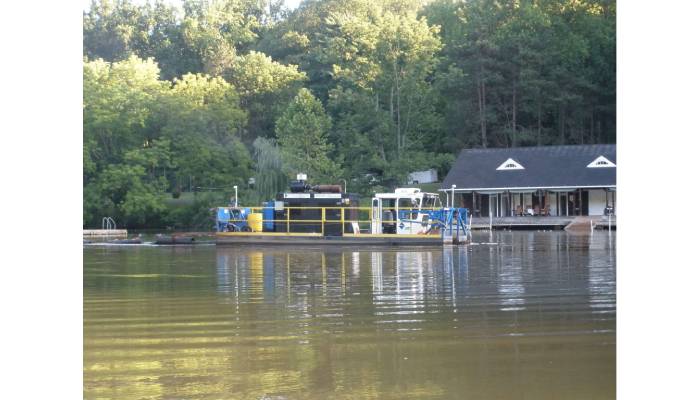
A sand dredge is a powerful machine that removes sand and sediment from rivers, lakes, seas, and ponds. For contractors, miners, and government bodies, it is a key tool for creating deep channels, mining sand, and keeping waterways open. If you are planning a project, you need to understand how a sand dredge works, which type fits your site, and how to calculate the real cost.
This guide breaks everything down in simple terms. You will learn how these machines operate, the main types available, and how to match capacity and power to your budget. The focus is on giving you clear, practical points you can take to your next project meeting.

Whether you handle large marine works or a smaller river or pond job, the right choice can save you time, fuel, and maintenance costs. It can also help you stay compliant with local environmental rules and keep your crew safe.
What Does a Sand Dredge Actually Do?
At its core, a sand dredge is sediment removal equipment. It loosens sand from the seabed or riverbed, mixes it with water to form slurry, and then pumps this slurry through a pipeline to a disposal or stockpile area. This process is called hydraulic sand extraction.
You will see sand dredges used for many purposes:
- Sand mining for construction aggregates
- Deepening rivers and ports for ship movement
- Beach replenishment after erosion
- Cleaning out silted ponds, reservoirs, and lakes
For Indian investors, these projects can be linked to real estate growth, road projects, and coastal protection schemes, where reliable sand supply and clear waterways are critical.
Key Components of a Sand Dredge
While designs vary, most systems share a few core parts:
- Dredge pump: A heavy-duty slurry pump dredger unit that moves the sand-water mix through the pipeline.
- Cutter head or suction head: The dredge cutter head loosens compacted sand and gravel so it can enter the pump.
- Hull or pontoon: A floating body that supports the engine, pump, and operator cabin.
- Power unit: Usually a diesel engine, though electric and hybrid options are now growing.
- Pipeline: Steel or HDPE pipes that carry slurry to shore or to a barge.
When you compare machines, look beyond engine size. Pump efficiency, wear resistance, and how easy it is to access parts for service often make a bigger difference to life-cycle cost.
Main Types of Sand Dredges
Most buyers compare four broad categories. Each matches a certain project profile and budget.
Suction Dredges
A suction dredge uses a strong pump to pull sand into the pipeline with minimal mechanical cutting. It works best with loose material such as river sand and light silt. These units are simpler and often cheaper to maintain.
Best for:
- River maintenance with soft deposits
- Ponds and small lakes
- Projects where fuel efficiency matters
If you are cost-focused, suction units can give a lower cost per cubic metre when the material is not compacted.
Cutter Suction Dredges
Cutter suction dredgers add a rotating cutter head at the suction intake. This allows them to break harder layers, like compacted sand, clay, or some gravels. The combination of mechanical cutting and hydraulic pumping increases production in tough conditions.
Best for:
- Sand mining dredging in rivers with mixed sediments
- Canal and port deepening with stiff layers
- Long-term contracts where high output justifies the higher capital cost
For Indian investors targeting long concessions or supplying sand to large infrastructure projects, cutter suction units often give the best balance between power and flexibility.
Trailer and Portable Sand Dredges
Portable sand dredges are compact units that can be transported by road on a trailer. They are designed for fast mobilisation and demobilisation. You can move them between sites without heavy cranes or special permits in many regions.
Best for:
- Contractors serving many small ponds or farm reservoirs
- Short-term contracts with tight deadlines
- Start-up businesses who want lower entry costs
Although production capacity is lower than on very large mining dredges, their agility often leads to higher annual utilisation, which supports a strong return on investment.
Electric and Hybrid Dredges
Electric dredges run on shore power rather than diesel engines. Hybrid models may use both. They reduce fuel costs and emissions, which can be a strong plus when working near cities or in sensitive coastal zones.
In India, where power tariffs and diesel prices vary by state, it is worth running numbers region by region. In some states, electric options can sharply lower operating costs over the life of the asset.
How to Choose the Right Sand Dredge
Before looking at brochures, map your project clearly. This simple checklist can help:
- Material type: Is it fine sand, mixed sand and gravel, or clayey silt? Harder material favours cutter suction models.
- Daily production target: Define cubic metres per day and your project timeline.
- Water depth and layout: Deeper water and long pump distances need stronger pumps and possibly booster stations.
- Power access: Check if shore power is available or if you must rely on diesel.
- Regulatory permits: Some locations limit noise and emissions, affecting engine choice.
Investors should think in terms of “cost per cubic metre delivered.” Add purchase price, fuel, manpower, parts, and expected uptime. A higher-priced unit with fewer breakdowns can work out cheaper over five to ten years.
Environmental and Regulatory Factors
Any dredging affects local water flow and ecosystems. Today, authorities across the world, including Indian state bodies, focus on controlled, responsible sand mining methods.
Typical requirements include:
- Environmental impact assessments before starting work
- Limits on working hours, turbidity, and noise
- Defined disposal or use of dredged material, such as beach nourishment
Select equipment that supports these rules. Features like precise cutter control, modern GPS positioning, and low-emission engines help you meet conditions and build a positive reputation with regulators.
Operation and Maintenance Best Practices
Good practice helps you extend dredge life and protect your capital.
- Daily checks: Inspect pump bearings, seals, hoses, and fuel lines before each shift.
- Pipeline care: Monitor pressure and leak signs; small leaks quickly become expensive failures.
- Spare parts planning: Keep wear parts like impellers, liners, and cutter teeth in stock.
- Operator training: Skilled operators can reduce fuel burn, avoid blockages, and react early to vibration or performance changes.
Good maintenance also protects resale value if you decide to upgrade later, which investors often do as their project pipeline grows.
Thinking About the Bigger Investment Picture
Buying or leasing a dredge is similar to investing in any specialized equipment. You balance upfront capital with long-term revenue, risk, and cash flow. Many investors study other capital-heavy sectors, such as budget-friendly lake dredging equipment strategies, to understand how to scale responsibly.
It can also help to review broader construction and infrastructure insights, like those shared in guides on large-scale hydraulic diesel dredges, before locking in your final decision.
FAQs on Sand Dredges
Q1. What is the typical life of a sand dredge?
With proper maintenance, a quality unit can operate for 15 to 25 years. Key factors are how abrasive your material is, how often you replace wear parts, and whether you follow a strict service schedule. Good storage and off-season care extend life further.
Q2. Is leasing a dredge better than buying for Indian projects?
Leasing can be smart if you have one short-term project or if your funding is tight in the early years. Buying usually pays off when you have multiple long contracts and can keep the dredge working most of the year. Many investors start with leasing to learn the business, then buy once they understand their long-term workload.
Q3. Can one sand dredge handle both mining and maintenance work?
Yes, many modern designs are flexible enough to shift between aggregate dredging and channel maintenance. To achieve this, pick a model with adjustable cutter heads, variable pump speeds, and enough deck space for different pipeline layouts. This flexibility improves utilisation and strengthens your business case.