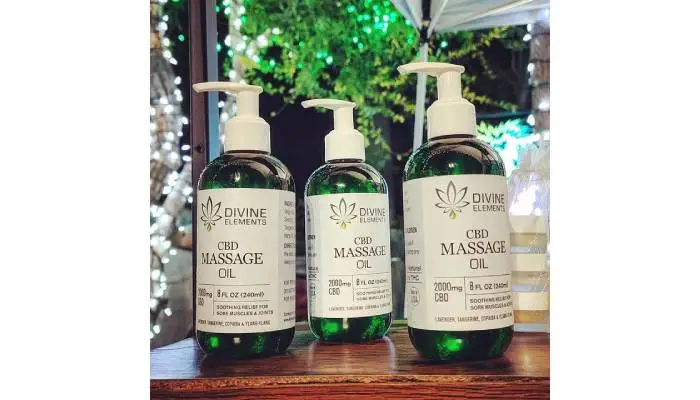
When buying pure CBD oil in 2025, it’s important to know a few key things. First off, differentiate between full-spectrum and isolate; the former may give you more benefits due to the entourage effect. Don’t forget to look for third-party lab testing; it ensures safety and verifies what’s in the product. Check labels for natural ingredients—less is usually better. The hemp source matters too; U.S. or European-grown hemp tends to be safer from contaminants. Keep an eye on THC levels if you’re drug tested, and consider the extraction method used, like CO2 for purity. Finally, consult healthcare professionals before starting any new supplement!
1. Check for Full-Spectrum vs. Isolate
When you think to buy pure CBD oil, it’s essential to understand the distinction between full-spectrum and isolate products. Full-spectrum CBD oil includes a range of cannabinoids found in the hemp plant, including trace amounts of THC. This combination can create what is known as the “entourage effect,” where the various compounds work together to enhance the oil’s therapeutic benefits. For example, many users report that full-spectrum options help with anxiety and pain relief more effectively than isolate products. On the other hand, CBD isolate contains only CBD, making it a good choice for those who want to avoid THC entirely or are subject to drug tests. Understanding these differences can help you choose a product that aligns with your needs and preferences.

2. Look for Third-Party Lab Testing
When purchasing pure CBD oil, one of the most crucial factors to consider is whether the product has undergone third-party lab testing. This testing is carried out by independent laboratories that analyze the CBD oil for its cannabinoid content and the presence of any harmful substances. A reputable brand will make these lab results available to consumers, often through a QR code on the product label or on their website. For example, if you find a CBD oil that claims to contain 500 mg of CBD, third-party testing can confirm this amount and ensure it matches what is advertised. Additionally, lab testing can check for harmful contaminants like heavy metals, pesticides, and solvents, which are critical for ensuring the safety and quality of the product. Without this verification, you may not know what you’re truly getting, making it essential to prioritize brands that are transparent about their testing processes.
3. Read the Ingredients Carefully
When shopping for pure CBD oil, it’s crucial to scrutinize the ingredient list. Look for products that prioritize natural ingredients. A clean label usually means fewer artificial additives, preservatives, or fillers that can dilute the oil’s effectiveness. For example, some brands may add flavorings or sweeteners that do not contribute to the therapeutic effects of CBD. A short and straightforward ingredient list often indicates a more authentic product. Furthermore, be cautious of vague terms like “natural flavors”; they can hide a multitude of synthetic additives. Always aim for transparency in what you are consuming, as this can significantly impact your overall experience with CBD oil.
- Look for CBD concentration and potency.
- Check for additional cannabinoids and terpenes.
- Ensure there are no harmful additives or fillers.
- Verify the source of ingredients, especially if they are organic.
- Check for allergens or any ingredients that may not be suitable for you.
- Pay attention to the extraction method mentioned and its impact on quality.
- Review for flavoring agents or sweeteners that might affect purity.
4. Understand the Source of Hemp
The source of hemp is crucial when buying CBD oil. Hemp absorbs everything from the soil it grows in, including nutrients, pesticides, and heavy metals. Therefore, choosing hemp that is grown in regions with strict agricultural regulations is essential. For instance, hemp cultivated in the U.S. or Europe often adheres to stringent safety standards, resulting in cleaner, safer products. On the other hand, hemp sourced from areas with less regulation might contain harmful substances. Always check where the hemp is grown and prioritize brands that are transparent about their sourcing practices. This small step can make a significant difference in the quality of the CBD oil you purchase.
5. Check for THC Levels
When buying CBD oil, it’s crucial to check the THC levels. THC, or tetrahydrocannabinol, is the psychoactive compound found in cannabis that gives a high sensation. For many consumers, especially those subject to drug testing or looking to avoid any psychoactive effects, ensuring that the product contains less than 0.3% THC is essential. This is the legal limit for hemp-derived products in various regions. For instance, if you’re an athlete or someone in a profession where drug tests are routine, even trace amounts of THC could potentially lead to complications. Therefore, always look for products that provide clear lab results confirming their THC content. This transparency allows you to make a safer choice according to your preferences and needs.
6. Consider the Extraction Method
The extraction method used to produce CBD oil is crucial because it directly impacts the oil’s quality, potency, and safety. Among the various methods, CO2 extraction stands out as the gold standard. This technique uses high-pressure carbon dioxide to pull cannabinoids and terpenes from the hemp plant without leaving harmful residues behind. For example, brands that utilize CO2 extraction often boast higher purity levels and better flavor profiles.
On the other hand, some methods, like solvent extraction, can leave traces of toxic solvents in the final product, which can be harmful to consumers. Always look for brands that disclose their extraction methods and prioritize those that employ safe and effective techniques. This diligence ensures you’re getting a quality product that aligns with your health and wellness goals.
7. Be Aware of the Price
When it comes to purchasing pure CBD oil, price can be a significant indicator of quality. High-quality CBD oil often comes with a higher price tag due to the meticulous processes involved in cultivation, extraction, and testing. For instance, a reputable brand might charge more because they use organic hemp and advanced extraction methods like CO2 extraction, which preserves the oil’s potency. If you come across a product priced significantly lower than others, it’s essential to be cautious. This could suggest that corners were cut during production, or the product may not contain the advertised levels of CBD. Always strive to find a balance between cost and quality, ensuring you invest in a product that delivers real benefits.
8. Read Customer Reviews
Customer reviews can be incredibly insightful when it comes to buying pure CBD oil. They provide real-world experiences from people who have used the product, helping you gauge its effectiveness and quality. Look for both positive and negative feedback to get a balanced view. For instance, a product that consistently receives praise for its potency and flavor might be worth considering, while one with numerous complaints about its effectiveness or taste may be best avoided. Additionally, pay attention to comments about the company’s customer service. A responsive and helpful support team can make a significant difference, especially if you have questions or issues after your purchase. Websites, forums, and social media platforms are great places to find these reviews, giving you a clearer picture of what to expect.
9. Consult with a Healthcare Professional
Before you dive into the world of CBD oil, it’s vital to talk to a healthcare professional. They can help you understand how CBD might interact with any medications you are currently taking or any health conditions you have. For instance, if you’re on blood thinners or medications for epilepsy, CBD could affect how these drugs work in your body. A doctor can provide personalized advice tailored to your health needs, ensuring that you make safe and informed choices. This step is particularly important because while CBD is generally considered safe, it may not be suitable for everyone. Consulting a healthcare provider ensures that you approach CBD use thoughtfully and responsibly.
10. Stay Informed About Legal Regulations
Understanding the legal landscape surrounding CBD oil is crucial, especially as regulations can vary significantly by region and are subject to change. In 2025, it’s important to keep track of local laws governing the sale, possession, and use of CBD products. For instance, some states may have stricter rules regarding THC content or labeling requirements. Being informed can help you avoid legal pitfalls and ensure that you are purchasing products that comply with the law. Check official government websites or reputable news sources for the latest updates. Additionally, consider joining online forums or communities focused on CBD where members share current information and experiences. This proactive approach can empower you to make safer, more informed decisions about your CBD purchases.
11. Know Your Dosage
Understanding your dosage is crucial when using CBD oil. Everyone’s body reacts differently to CBD, influenced by factors like body weight, metabolism, and the specific health issues you’re addressing. For example, someone weighing 150 pounds might need a different amount than someone who weighs 200 pounds to experience the same effects. It’s often recommended to start with a low dose, such as 10-15 mg per day, and then gradually increase it until you find what works best for you. This method allows you to gauge your body’s response without overwhelming it. Additionally, keep in mind that some conditions may require higher doses for effective relief, while others might respond well to lower amounts. Tracking your dosage and any effects can help you make informed adjustments.
12. Check the Brand’s Reputation
When buying pure CBD oil, it’s essential to check the brand’s reputation. Start by researching how long the company has been in the industry. A brand with years of experience is likely to have established trust and quality in its products. Look for any awards or recognitions they may have received, as these often indicate a commitment to excellence.
Additionally, consider the transparency of the brand. Do they provide detailed information about their sourcing, manufacturing processes, and lab testing results? Brands that openly share this information typically have nothing to hide.
You can also check online forums and social media to see what customers are saying about their experiences. For instance, if a brand consistently receives positive feedback for its customer service and product quality, it’s a good sign that they can be trusted. Conversely, if you find numerous complaints or negative reviews, it might be best to look elsewhere. Remember, a reputable brand will prioritize customer satisfaction and be responsive to concerns.
Frequently Asked Questions
1. What should I look for in the ingredient list of CBD oil?
You should look for pure cannabis extract, and also check for other ingredients like carrier oils. It’s best to avoid oils with too many additives or preservatives.
2. How can I tell if a CBD oil is high quality?
High-quality CBD oil is usually from organic hemp, has clear lab test results, and doesn’t contain too much THC. Look for certificates of analysis from third-party labs.
3. What does the term ‘full-spectrum’ mean in CBD oil?
‘Full-spectrum’ means the oil contains all the natural compounds found in the cannabis plant, including a variety of cannabinoids and terpenes, which can work together for better effects.
4. Is it necessary to check for the extraction method used for CBD oil?
Yes, the extraction method can affect the purity and quality of the oil. Methods like CO2 extraction are generally safer and better for producing high-quality oil.
5. How can I know if a CBD oil is actually effective?
Look for customer reviews and testimonials, as well as any clinical studies that back up the product. Checking how others feel about it can give you some insight.
TL;DR When buying pure CBD oil in 2025, it’s essential to look for full-spectrum versus isolate options, ensure third-party lab testing has been conducted, and scrutinize ingredient lists for natural components. Understand where the hemp is sourced and check THC levels, especially if drug testing is a concern. Consider the extraction method, as CO2 is preferred, and be mindful of the product’s price in relation to quality. Customer reviews provide insight into effectiveness, and consulting with a healthcare professional is recommended. Stay updated on legal regulations, know your dosage, and investigate the brand’s reputation for transparency and reliability.