
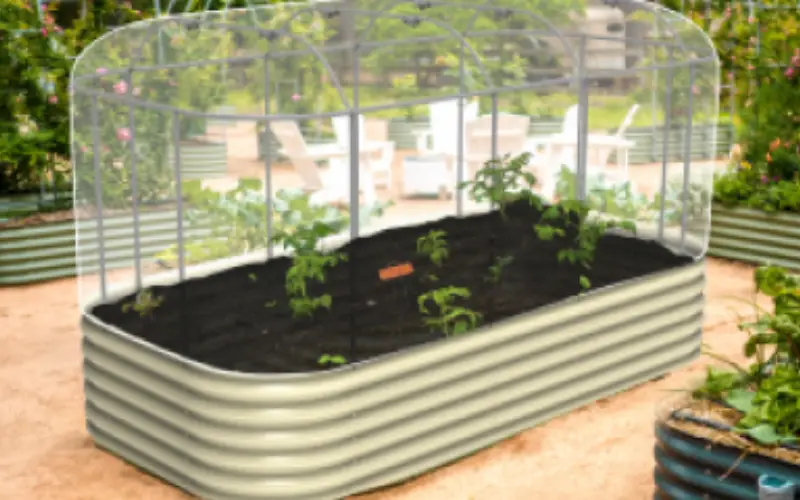
Revamp Your Garden The Ultimate Guide To Raised Garden Beds
Embark on a journey to revamp your garden with the ultimate guide to raised garden beds, where the path to creating a vibrant and thriving garden is paved with practical tips, creative ideas, and expert advice. Raised garden beds have become increasingly popular among gardeners of all levels for their numerous benefits, including improved soil drainage, better weed control, and increased yields. In this comprehensive guide, we'll explore the various aspects of raised garden beds, from their benefits and different materials to building techniques, plant selection, maintenance tips, and creative design ideas. Whether you're a novice gardener looking to start your first raised bed garden or an experienced enthusiast seeking to elevate your gardening game, this guide provides everything you need to know to create a beautiful and productive garden with raised garden beds.
Benefits Of Raised Garden Beds
Raised garden beds offer a multitude of benefits that make them a popular choice among gardeners. By elevating the soil level, raised garden beds provide better drainage, which prevents waterlogging and soil compaction, promoting healthier plant growth. They also offer improved weed control, as the raised structure makes it more difficult for weeds to take root and spread. Additionally, raised garden beds provide better access for planting, weeding, and harvesting, reducing strain on the gardener's back and knees. Overall, raised garden beds offer a convenient and efficient way to create a productive garden while minimizing common gardening challenges.

Different Materials For Raised Garden Beds
Raised garden beds can be constructed from a variety of materials, each with its own advantages and considerations. Wood is a popular choice for its natural appearance and versatility, but it requires regular maintenance to prevent rot and decay. Metal, such as galvanized steel or aluminum, offers durability and longevity, but it can be more expensive upfront. Plastic and composite materials are lightweight and low-maintenance, making them ideal for gardeners seeking convenience. When choosing the material for your raised garden beds, consider factors such as cost, durability, aesthetics, and maintenance requirements to find the best option for your garden.
How To Build Your Own Raised Garden Bed?
Building your own raised garden bed is a rewarding DIY project that allows you to customize the size, shape, and design to suit your garden space and preferences. Start by selecting a suitable location for your raised bed, ensuring it receives adequate sunlight and is easily accessible for planting and maintenance. Next, choose your materials and assemble them according to your desired dimensions, using screws or nails to secure the corners. If using wood, consider lining the interior with plastic to protect against moisture and extend the lifespan of the bed. Finally, fill the bed with a high-quality soil mix, incorporating compost or other organic amendments to improve fertility and soil structure. With careful planning and construction, you can create a sturdy and functional raised garden bed that enhances the beauty and productivity of your garden.
Maximizing Space With Raised Garden Beds
One of the key advantages of raised garden beds is their ability to maximize growing space, allowing you to grow more plants in a smaller area. Take advantage of this space-saving feature by arranging your raised beds in efficient layouts, such as grid patterns or tiered configurations. Consider vertical gardening techniques, such as trellises or hanging baskets, to further optimize space and increase growing capacity. Additionally, interplanting compatible crops and using succession planting techniques can help you make the most of your raised garden beds throughout the growing season. With strategic planning and design, you can transform even the smallest garden space into a productive oasis with raised garden beds.
Choosing The Right Plants For Raised Garden Beds
Selecting the right plants for your raised garden beds is essential for ensuring a successful and productive garden. Consider factors such as sunlight requirements, soil preferences, and spacing guidelines when choosing your plants, and select varieties that are well-suited to your climate and growing conditions. Vegetables such as tomatoes, peppers, and lettuce are popular choices for raised garden beds, as they thrive in the well-drained soil and elevated growing environment. Herbs, flowers, and ornamental plants can also be grown in raised beds, adding beauty and diversity to your garden space. By choosing the right plants for your raised garden beds, you can create a lush and abundant garden that delights the senses and provides a bountiful harvest throughout the season.
Maintaining And Caring For Raised Garden Beds
Proper maintenance and care are essential for keeping your raised garden beds healthy and productive. Regular watering is crucial, especially during hot weather or periods of drought, to ensure that plants receive an adequate supply of moisture. Mulching can help retain soil moisture, suppress weeds, and regulate soil temperature, reducing the need for frequent watering. Regular weeding is also important to prevent competition for nutrients and space, as raised beds can be more susceptible to weed growth than traditional gardens. Additionally, periodic soil testing and amending can help maintain soil fertility and pH levels, ensuring optimal growing conditions for your plants. With a little care and attention, your raised garden beds will continue to thrive and provide you with a bountiful harvest for years to come.
Creative Design Ideas For Raised Garden Beds
Raised garden beds offer endless possibilities for creative design, allowing you to personalize your garden space and express your unique style. Experiment with different shapes, sizes, and heights to create visual interest and define different areas within your garden. Incorporate decorative elements such as trellises, arbors, or obelisks to add vertical dimension and support climbing plants. Consider adding pathways or stepping stones between raised beds to improve accessibility and create a cohesive layout. And don't forget to add decorative touches such as colorful planters, garden art, or decorative edging to enhance the beauty of your raised garden beds. With a little imagination and creativity, you can transform your garden into a stunning outdoor retreat with raised garden beds as the focal point.
Conclusion
In conclusion, raised garden beds offer a versatile and practical solution for revamping your garden and creating a thriving and productive outdoor space. From their numerous benefits and different materials to building techniques, plant selection, maintenance tips, and creative design ideas, raised garden beds provide everything you need to create a beautiful and bountiful garden. Whether you're a beginner gardener or an experienced enthusiast, raised garden beds offer an accessible and enjoyable way to cultivate your own fruits, vegetables, herbs, and flowers while beautifying your outdoor environment. With the ultimate guide to raised garden beds, you can unleash your creativity and transform your garden into a lush and vibrant oasis that brings joy and satisfaction year after year.