In today’s fast-paced digital world, e-commerce businesses must ensure that their websites are always available, responsive, and capable of handling high traffic volumes. Slow loading speeds and frequent downtimes can result in lost sales and dissatisfied customers. This is where a Network Load Balancer plays a crucial role. A Network Load Balancer efficiently distributes incoming traffic across multiple servers, optimizing performance, improving reliability, and preventing system failures.
For e-commerce websites, ensuring a seamless user experience is essential for customer retention and conversion rates. A Network Load Balancer helps prevent server overload by directing traffic to the most efficient resources, reducing response times and enhancing overall website performance.
Understanding Network Load Balancers
A Network Load Balancer (NLB) is a device or software solution that distributes network traffic across multiple backend servers. Unlike traditional load balancers that operate at the application layer, a Network Load Balancer functions at the transport layer (Layer 4 of the OSI model), managing TCP and UDP traffic efficiently.
How Network Load Balancers Work:
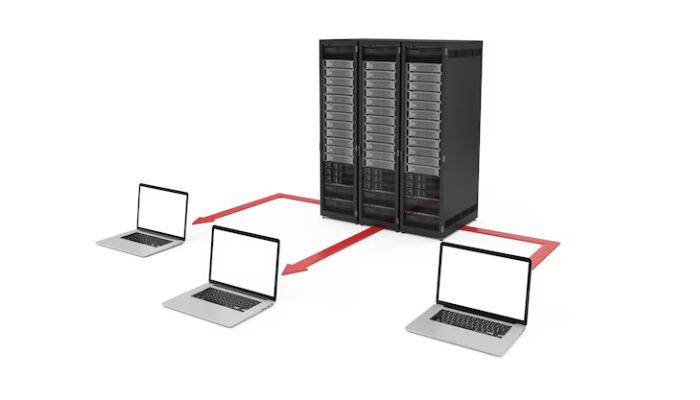
- Traffic Distribution – An NLB evenly distributes incoming network traffic among multiple servers, preventing any single server from becoming overwhelmed.
- Health Monitoring – It continuously checks server health and redirects traffic away from servers experiencing issues.
- Scalability – As traffic increases, an NLB ensures that additional servers can handle the load without performance degradation.
- Failover Protection – If a server goes down, traffic is automatically rerouted to available servers, ensuring uninterrupted service.
In the e-commerce sector, where sales peaks occur during events like Black Friday, Cyber Monday, or seasonal promotions, having a Network Load Balancer ensures the website remains functional even under extreme traffic conditions.
Benefits Of Network Load Balancers For E-Commerce Websites
1. Enhanced Website Speed
Slow website speeds lead to higher bounce rates, lost revenue, and lower search engine rankings. A Network Load Balancer minimizes delays by distributing user requests evenly among multiple servers.
- Optimized Resource Allocation – By balancing the load efficiently, no single server gets overloaded, reducing response times.
- Reduced Latency – The NLB selects the fastest available server to handle each request, ensuring a smooth browsing experience.
- Parallel Processing – With multiple servers handling requests simultaneously, users experience faster loading speeds and improved website responsiveness.
Studies show that even a one-second delay in page load time can reduce conversions by 7%, making Network Load Balancers critical for e-commerce success.
2. Improved Website Reliability and Uptime
E-commerce businesses lose thousands of dollars every minute a website is down. A Network Load Balancer ensures high availability by preventing server overloads and failures.
- Automatic Failover – If a server crashes or experiences issues, traffic is redirected to healthy servers, preventing disruptions.
- Redundancy and Fault Tolerance – By spreading traffic across multiple servers, a Network Load Balancer eliminates single points of failure.
- DDoS Attack Mitigation – Distributed Denial of Service (DDoS) attacks can overwhelm a single server, but an NLB disperses malicious traffic across multiple resources, reducing their impact.
With 99.99% uptime as the industry standard, a Network Load Balancer helps e-commerce sites maintain their operational integrity even during unexpected events.
3. Seamless Scalability for Growth
E-commerce websites experience fluctuating traffic based on seasons, promotions, and advertising campaigns. A Network Load Balancer ensures seamless scalability without affecting website performance.
- Elastic Scalability – Businesses can add or remove servers based on demand, and the NLB will distribute traffic accordingly.
- Cloud Integration – Many Network Load Balancers integrate with cloud platforms like AWS, Azure, and Google Cloud, allowing e-commerce websites to expand without infrastructure bottlenecks.
- Peak Traffic Handling – During peak shopping events, an NLB ensures traffic is managed efficiently, preventing slowdowns or crashes.
For example, an online retailer running a flash sale with thousands of simultaneous users can handle the surge smoothly with an NLB, ensuring a seamless shopping experience.
4. Enhanced Security and Traffic Management
Cybersecurity threats are a major concern for e-commerce websites handling sensitive customer data, including payment information. A Network Load Balancer provides enhanced security features:
- SSL Termination – Some NLBs support SSL termination, reducing encryption overhead on backend servers and improving performance.
- IP Whitelisting & Blacklisting – Businesses can configure an NLB to allow or block traffic from specific IP addresses, preventing unauthorized access.
- Traffic Filtering – By monitoring incoming traffic, an NLB helps prevent malicious requests from reaching backend servers.
With cyberattacks increasing by 30% year over year, securing an e-commerce website with a Network Load Balancer is a proactive approach to mitigating risks.
Cost Efficiency And Resource Optimization
Maintaining multiple high-performance servers can be costly, but a Network Load Balancer optimizes resources to reduce expenses.
- Efficient Server Utilization – Instead of overloading specific servers, an NLB ensures an even workload, preventing the need for expensive hardware upgrades.
- Reduced Downtime Costs – Preventing downtime saves businesses from revenue loss and reputational damage.
- Lower Bandwidth Costs – Some NLBs optimize bandwidth usage, reducing operational expenses.
For startups and growing e-commerce platforms, investing in an NLB provides long-term cost savings while maintaining optimal performance.
Choosing The Right Network Load Balancer For E-Commerce
Selecting the best Network Load Balancer depends on various factors, including website size, expected traffic, and security requirements.
Key Considerations:
- Traffic Volume – Businesses expecting high traffic should choose an NLB with robust scalability.
- Cloud vs. On-Premise – Cloud-based NLBs (e.g., AWS Elastic Load Balancer) offer flexibility, while on-premise solutions provide greater control.
- Security Features – Look for built-in DDoS protection, SSL support, and traffic filtering options.
- Ease of Integration – The NLB should seamlessly integrate with existing servers and cloud infrastructure.
Popular Network Load Balancers include:
- AWS Elastic Load Balancer (ELB)
- Google Cloud Load Balancer
- Microsoft Azure Load Balancer
- F5 BIG-IP
- NGINX Load Balancer
Conclusion
A Network Load Balancer is a game-changer for e-commerce websites, significantly improving speed, reliability, security, and scalability. By distributing traffic efficiently, preventing downtime, and enhancing user experiences, an NLB ensures that businesses maximize their online sales potential.
As the e-commerce industry continues to grow, investing in a Network Load Balancer is no longer an option but a necessity for maintaining competitive advantage. Whether dealing with high traffic surges or ensuring seamless shopping experiences, an NLB is the backbone of a fast, reliable, and secure online store.
Resource URL:
https://en.wikipedia.org/wiki/Network_load_balancing
https://www.edgenexus.io/products/load-balancer/