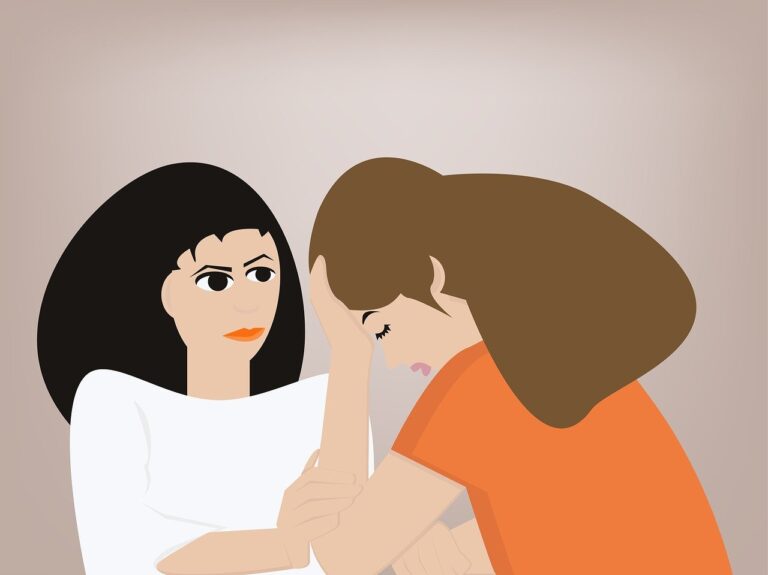
For millions of people struggling with addiction, substance use doesn’t exist in isolation — it co-occurs with underlying mental health conditions like depression, anxiety, PTSD, or bipolar disorder. This combination, known as dual diagnosis or co-occurring disorders, requires specialized integrated treatment that addresses both conditions simultaneously for lasting recovery to be possible.
What Is Dual Diagnosis?
Dual diagnosis refers to the presence of both a substance use disorder and one or more mental health disorders in the same individual. Research consistently shows that co-occurring disorders are the rule rather than the exception in addiction treatment — approximately 50% of individuals with a substance use disorder also have a diagnosable mental health condition. Common pairings include alcohol use disorder with depression, opioid addiction with PTSD, stimulant use with anxiety disorders, and cannabis use with psychosis.
Why Treating Both Conditions Together Matters
Historically, addiction and mental health were treated separately — often in sequence rather than simultaneously. This fragmented approach consistently produced poor outcomes because untreated mental health symptoms drove individuals back to substance use as self-medication, while untreated addiction undermined psychiatric treatment effectiveness. Integrated dual diagnosis treatment addresses both conditions concurrently, producing significantly better outcomes in terms of sobriety maintenance, symptom reduction, and overall functioning.
The Role of Trauma in Co-Occurring Disorders
Trauma is one of the most significant underlying factors in dual diagnosis presentations. Many individuals develop substance use disorders as a way to cope with unprocessed traumatic experiences. Trauma-informed treatment approaches like EMDR (Eye Movement Desensitization and Reprocessing), somatic therapies, and trauma-focused CBT directly address the root trauma driving both psychiatric symptoms and substance use, creating deeper and more durable healing.
Medication Management in Dual Diagnosis Treatment
Appropriate psychiatric medication can be a critical component of dual diagnosis treatment. Stabilizing mood disorders, anxiety, or psychotic symptoms through medication often dramatically reduces the urge to self-medicate with substances. Medication-Assisted Treatment (MAT) for addiction, combined with psychiatric medications as indicated, creates a comprehensive pharmacological foundation that supports engagement in psychotherapeutic work.
Finding the Right Dual Diagnosis Program
Not all treatment programs are equipped to handle the complexity of co-occurring disorders. Look for programs that employ both addiction specialists and licensed mental health professionals, offer integrated assessments that screen for both substance use and mental health conditions, provide evidence-based treatments for both disorders, and maintain continuity of care across treatment levels from residential through outpatient. iRely Recovery specializes in exactly this kind of comprehensive, integrated dual diagnosis care.
Conclusion
Dual diagnosis treatment recognizes the fundamental truth that addiction and mental health are deeply intertwined. Healing one without addressing the other leaves the door open to relapse and continued suffering. Integrated, evidence-based dual diagnosis treatment — addressing substance use, mental health, and underlying trauma simultaneously — offers the most complete path to lasting recovery and a fulfilling life.