Thinking about adding extra protection to your home? Many families today are exploring residential safe rooms as a smart long‑term safety investment. Whether you live in a cyclone‑prone coastal city, a crime‑sensitive area, or simply want a secure place for your valuables, a well‑designed safe room can bring real peace of mind.
This guide walks you through the basics in clear, simple language. You will learn what a safe room is, how the door works, what certifications matter, how much it may cost, and how to choose the right option for your home and budget.
The focus is practical and especially useful if you are an Indian homeowner or investor who wants to protect family, jewellery, documents, or high‑value electronics without making the house look like a bunker.
What Is A Residential Safe Room?
A residential safe room is a specially built room inside your flat, bungalow, or villa that is designed to stay strong during emergencies. It protects you during events such as severe storms, attempted break‑ins, or nearby unrest.
In global standards, many safe rooms follow guidelines similar to FEMA (a US disaster‑management body). These guidelines talk about wall thickness, door strength, anchoring to the building structure, and ventilation. Even if building rules in India differ, these standards give a good benchmark for quality.
One key point: the room is only as strong as its weakest link. In most homes, this is the door. So when you evaluate residential safe rooms, pay special attention to the door system.
Why The Door Matters More Than You Think
Walls are usually solid, whether they are reinforced concrete or brick. Intruders and wind forces almost always attack the entry point first, which is the door. That is why safe room experts say, “Design the door first, then the room around it.”
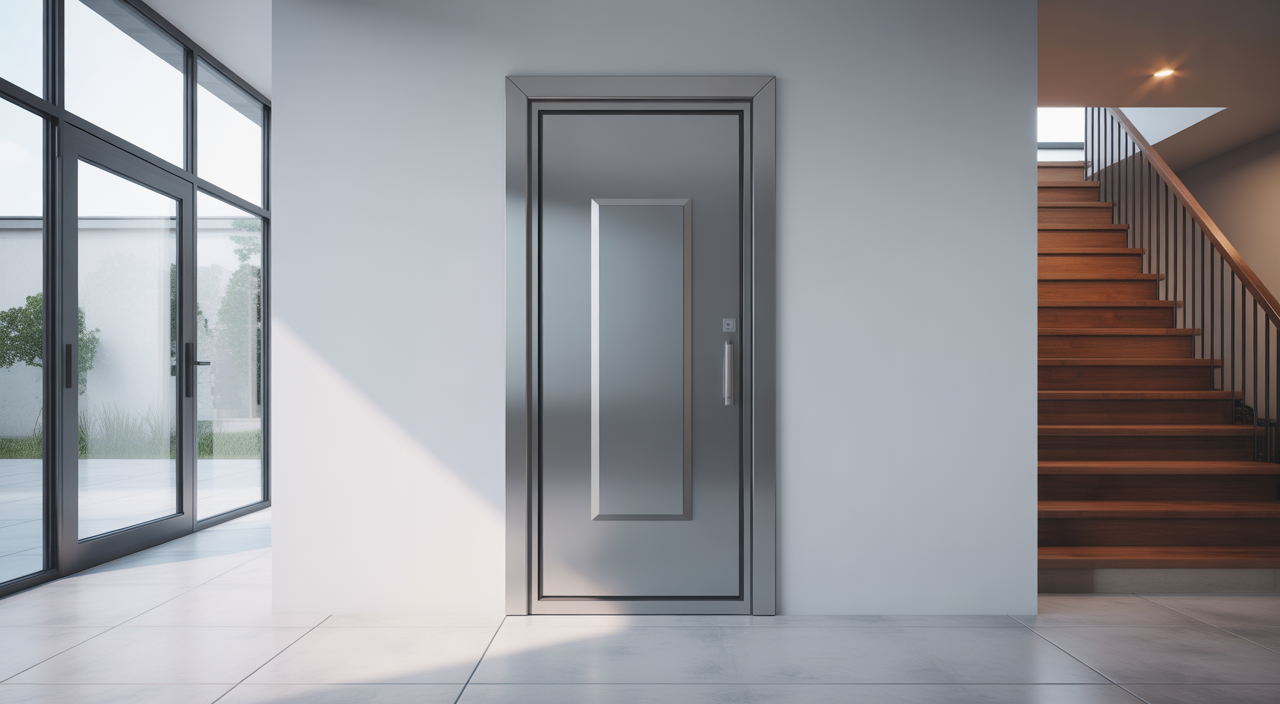
A proper safe room door has:
- A strong frame anchored into concrete or structural steel
- High‑strength panels made from thick steel or advanced composite materials
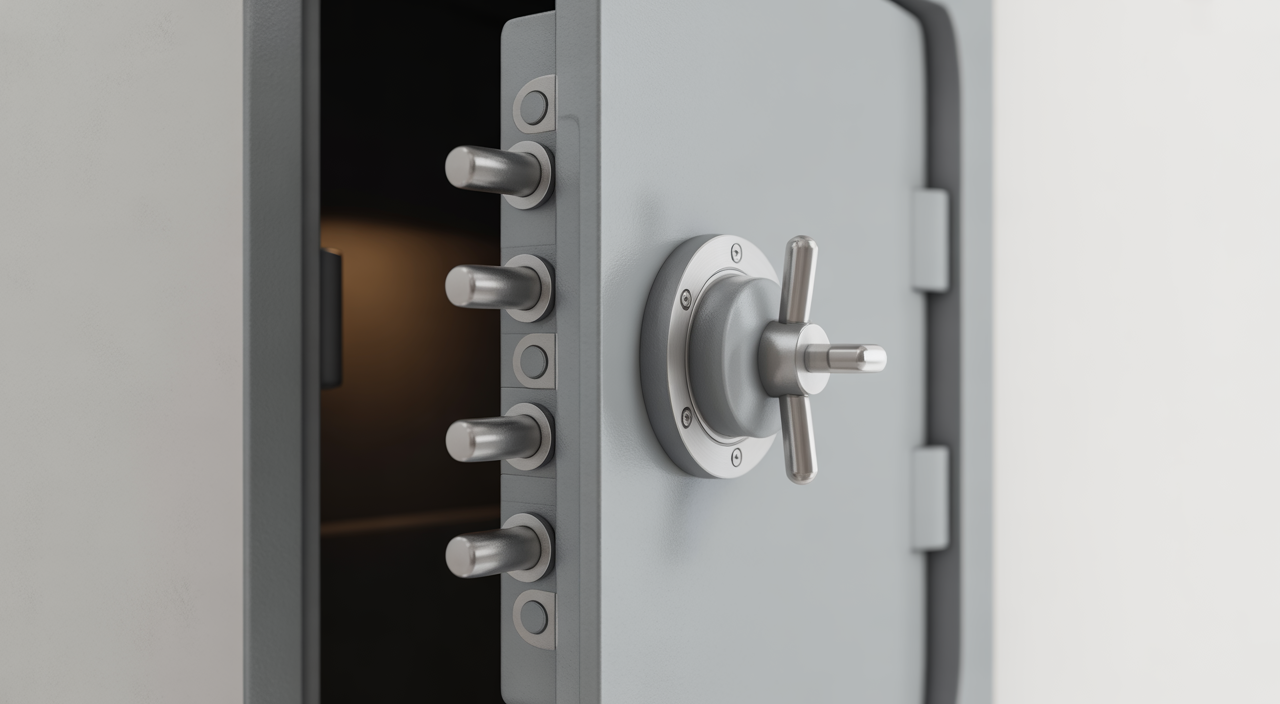
- Multi‑point locks, often with hidden hinges and reinforced bolts
- Hardware tested for impact, fire, and sometimes bullet resistance
If you only upgrade the walls but keep a normal wooden door, you lose most of the benefits.
Types Of Safe Room Doors & Key Certifications
When you start researching, you will see many terms such as ballistic doors, storm doors, and fire‑rated doors. Here is a simple breakdown.
1. Ballistic‑Rated Doors
Ballistic doors are tested to resist bullets from handguns or rifles. International standards often refer to “UL 752” or “NIJ levels.” In simple terms, each level states what type of weapon the door can handle and how many hits.
For most homes, you may not need the highest level. A mid‑range ballistic rating can still provide strong protection from armed intruders while keeping costs reasonable.
2. Storm‑Resistant Doors
Storm or cyclone‑resistant doors are tested to handle very high wind pressure and flying debris. Global standards such as FEMA P‑361 and certain ASTM tests focus on impact from heavy objects at high speed.
If your property is in a coastal or high‑wind region, this type is very useful. In India, such doors can be combined with strong shutters or grills for extra protection.
3. Fire‑Rated & Multi‑Threat Doors
Fire‑rated doors are designed to resist high temperatures for a set time, for example, 60 or 120 minutes. This gives your family extra time to escape or wait for help. Many premium safe room doors today combine fire, intrusion, and sometimes ballistic resistance in one system.
For a typical urban apartment, a multi‑threat door can be a smart choice. It saves space and offers wide protection from different risks.
How To Choose The Right Safe Room Door
Think of this like choosing a key investment product. You balance risk, return, and cost. For a safe room, you balance threat level, comfort, and budget.
Key factors include:
- Material: Steel is common, but advanced doors may use layered steel and composites for better strength at lower weight.
- Locking system: Look for multi‑point locks, strong deadbolts, and options to open from inside without a key.
- Size & swing: Check the door swing (inward or outward) based on your room layout. Outward swing often resists forced entry better.
- Automation: Higher‑end doors can link to home automation, CCTV, and alarms, which is helpful for NRI homeowners or investors managing properties remotely.
What About Cost And Return On Investment?
Costs vary widely based on rating, size, and finish. To plan well, break the spending into three parts.
- Door manufacturing cost: This includes the door leaf, frame, locks, and hardware. The price rises with ballistic level, thicker steel, and custom features.
- Site preparation: Structural changes, wiring, ventilation, and making sure the wall and floor can hold the heavy door.
- Installation: Professional fitting, grouting, finishing, and testing.
For many Indian homeowners, one motivation is also financial. A high‑quality secure room can raise the perceived value of a luxury flat or villa. It can also complement other upgrades, such as premium security safes and storage solutions, which appeal to buyers who prioritise safety.
Installation & Maintenance Best Practices
Because of the door’s weight and complexity, professional installation is highly recommended. Skilled installers will align the frame correctly, anchor it into structural members, and test all locking points.
After installation, follow a simple yearly checklist:
- Oil hinges and moving parts lightly
- Test locks from both sides
- Check seals and weather‑stripping
- Confirm that CCTV, alarms, and access controls (if any) are working
These small steps keep your residential safe room ready for use at any time.
Design & Aesthetics: Can A Safe Room Look Normal?
Many people worry that a secure room will make their home look like a bank vault. With modern designs, this is not necessary. Doors can be covered with wooden veneer, painted to match interiors, or hidden behind a wardrobe or bookshelf.
Handles and locks can also be styled to match the rest of the home. This is very helpful for luxury homes where interior design is important. For more ideas on blending safety features with attractive décor, you may enjoy reading about high‑security storage that still looks stylish.
Are Residential Safe Rooms Right For You?
If you are a homeowner or investor with high‑value assets, a family to protect, or property in a risk‑sensitive area, a safe room is a practical long‑term decision. It acts like an insurance policy that you control directly.
Start by listing your main risks: intrusion, natural disasters, or local unrest. Then choose door ratings and features that match those risks, rather than simply going for the costliest option.
FAQs On Residential Safe Rooms
Q1. What is the difference between a panic room and a safe room?
A panic room is usually designed for short‑term refuge from intruders and may or may not follow strict structural standards. A residential safe room normally follows tougher guidelines for walls, doors, and anchoring. It often combines protection from intrusion, storms, and sometimes fire in one secure space.
Q2. Can I convert an existing room into a safe room?
Yes, many homeowners convert a bedroom, study, or walk‑in wardrobe. The key upgrades are the door, wall reinforcement where needed, proper ventilation, and emergency supplies. Always consult a structural engineer or experienced installer before making changes, especially in apartments where building rules apply.
Q3. How long does installation usually take?
Simple installations where the opening already fits the chosen door can finish in one to three days. More complex projects that need structural work, electrical changes, or custom finishes may take a week or more, depending on site conditions and approvals.
Q4. Are residential safe rooms only for luxury homes?
No. While many luxury properties use them, safe rooms can be scaled to different budgets. A compact, well‑built room with a strong door and basic supplies can still give excellent protection, even in a modest flat or independent house.