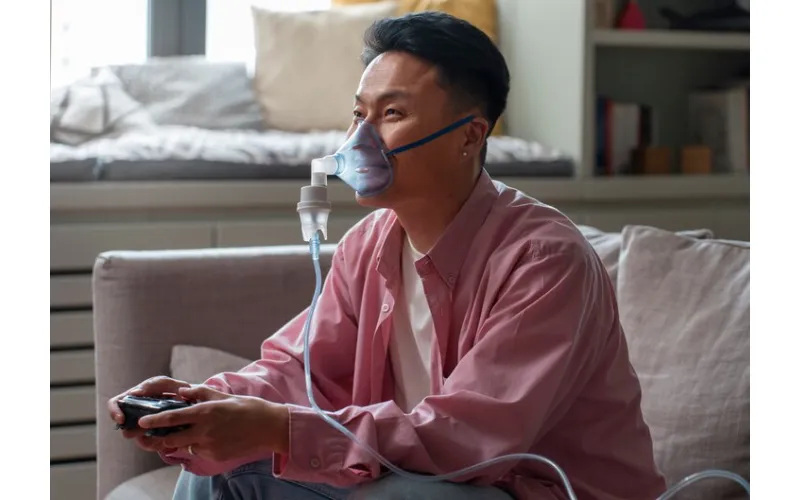
At home sleep apnea test (HSATs) provide a convenient way for individuals with suspected obstructive sleep apnea (OSA) to undergo monitoring in their own beds. These portable devices measure vital signs such as breathing patterns, blood oxygen levels, heart rate, and even snoring frequency. Typically, the process involves wearing a device that tracks these metrics overnight, often through sensors placed on the finger and nostrils. The results can reveal breathing interruptions during sleep and assess how well the body receives oxygen. While HSATs offer an accessible alternative to traditional lab tests, they have limitations in terms of accuracy and scope of measurement, leading some patients to seek further evaluations if symptoms persist.
What Are At-Home Sleep Apnea Tests?
At home sleep apnea test, or HSATs, are innovative portable devices that help diagnose obstructive sleep apnea (OSA) from the comfort of your home. These tests are especially beneficial for individuals who exhibit symptoms like loud snoring, gasping for air during sleep, and excessive daytime sleepiness. Designed with user-friendliness in mind, HSATs often come equipped with sensors that monitor vital signs and breathing patterns throughout the night.
As patients set up these devices in their own environment, they are likely to experience more natural sleep patterns, leading to potentially more accurate results. The tests typically include components such as a pulse oximeter to measure blood oxygen levels, nasal breathing sensors to track airflow, and sometimes even a microphone to capture snoring sounds. Data is collected overnight, which provides valuable insights into sleep quality and apnea events.
These tests are usually recommended as a first step before more comprehensive testing, especially in conjunction with telehealth consultations. With advancements in technology, at-home sleep apnea tests are becoming increasingly popular due to their convenience and accessibility. They represent a significant leap forward in sleep medicine, allowing for timely diagnosis and treatment of OSA.

Who Should Consider At-Home Testing?
at-home sleep apnea tests are a great option for several groups of people. If you’re someone who snores loudly or gasps for air during sleep, this test could help identify potential sleep apnea. Excessive daytime sleepiness is another strong indicator, especially if it affects your daily activities. Those with a history of cardiovascular issues or diabetes should also consider testing, as these conditions can complicate sleep apnea. Healthcare providers often refer patients for sleep evaluations, making at-home tests a convenient choice.
For individuals who prefer a less invasive method than traditional sleep labs, at-home testing offers a fantastic alternative. It’s especially beneficial for people with mobility issues or those living far from sleep clinics. Additionally, if you’re looking for a quicker and more cost-effective diagnosis, at-home tests are typically less expensive and easier to access than in-lab studies. Testing in your own sleeping environment can lead to more natural sleep patterns, which is an added bonus.
Those with previously diagnosed mild to moderate sleep apnea may also find at-home testing useful for monitoring their condition. Even family members of diagnosed sleep apnea patients might consider testing, especially if they notice similar symptoms. In short, if you resonate with any of these scenarios, at-home sleep apnea tests could be just what you need.
- Individuals experiencing loud snoring or choking during sleep
- People suffering from excessive daytime sleepiness
- Patients with a history of cardiovascular issues or diabetes
- Those who have been referred by a healthcare provider for sleep evaluation
- Individuals seeking a less invasive option compared to sleep labs
- People with mobility issues or those living far from sleep clinics
- Patients looking for a quick and cost-effective diagnosis
- Individuals who prefer testing in their own sleeping environment
- Those with previously diagnosed mild to moderate sleep apnea
- Family members of diagnosed sleep apnea patients
Mechanism of At-Home Sleep Apnea Tests
At-home sleep apnea tests (HSATs) are designed to be user-friendly and effective, allowing individuals to monitor their sleep in a familiar environment. These devices are typically worn on the body during sleep and utilize various sensors to gather crucial data. Key measurements include airflow, oxygen levels, and heart rate, all of which are essential for diagnosing obstructive sleep apnea (OSA).
The testing devices often include a pulse oximeter that clips onto a fingertip to measure blood oxygen levels, nasal breathing sensors that detect airflow and interruptions in breathing, and sometimes a microphone to capture snoring sounds. Some advanced models also feature real-time monitoring capabilities, offering immediate feedback on your sleep patterns. Users will receive clear instructions on how to set up the device, ensuring that they can comfortably wear it throughout the night.
During the test, the device records data on breathing patterns, including any interruptions or pauses, which are critical indicators of sleep apnea. The collected information is then compiled and transmitted to a smartphone app, making it easy for users to access their sleep data. After the test is completed, a sleep specialist reviews the results, often utilizing advanced algorithms for data analysis to ensure accurate interpretations. This thorough process helps identify any potential sleep disorders, paving the way for appropriate treatment options.
Key Components of the Testing Devices
At-home sleep apnea tests rely on a few essential components to gather vital information about a person’s sleep patterns. One of the most crucial elements is the pulse oximeter, which measures oxygen saturation levels in the blood. This simple device clips onto a fingertip, providing real-time data on how well the body is absorbing oxygen during sleep. Additionally, nasal airflow sensors play a key role by detecting breathing patterns and interruptions. These sensors help identify instances when a person stops breathing, which is a hallmark of sleep apnea.
To monitor how hard a person is working to breathe, chest or abdominal belts are often used. These belts track breathing effort and movement, providing further insight into the severity of the condition. Another interesting feature is the microphone, which captures snoring sounds for later analysis. This data can help specialists understand the relationship between snoring and sleep apnea.
All of this information is stored in a data storage unit, which collects readings from all sensors throughout the night. Many modern devices offer mobile app connectivity, allowing users to easily review and share their data with healthcare providers. The user-friendly interfaces make setup and operation a breeze, ensuring that anyone can manage their sleep test with minimal fuss. These devices are typically battery-powered, allowing for uninterrupted use overnight, and are made from durable materials to withstand the rigors of a night’s sleep. Finally, their compact design makes them easy to transport, ensuring that individuals can take their sleep tests wherever they need to.
What Metrics Do These Tests Measure?
At-home sleep apnea tests measure several critical metrics to assess your sleep health. One of the key metrics is the **apnea-hypopnea index (AHI)**, which quantifies the frequency of apneas (complete pauses in breathing) and hypopneas (partial blockages) during the night. This index helps determine the severity of obstructive sleep apnea. Additionally, blood oxygen saturation levels are continuously monitored, revealing how effectively your body absorbs oxygen while you sleep.
The tests also track heart rate variability and average heart rate, providing insight into your cardiovascular health during sleep. Furthermore, they assess breathing patterns, including interruptions and flow rates, to pinpoint any disruptions in your nightly rest.
Snoring frequency and intensity measurements are often included as well, as these can be significant indicators of sleep apnea. Other metrics like total sleep time and sleep efficiency (the percentage of time spent asleep while in bed) offer a broader picture of your overall sleep quality.
Moreover, the position of your body during sleep (whether you are on your side or back) is recorded, as certain positions can exacerbate sleep apnea symptoms. The tests also differentiate between time spent awake versus asleep, giving a clearer understanding of your sleep patterns. However, it’s important to note that while these tests provide valuable data, they may not accurately capture sleep stages, which could limit the overall assessment of sleep quality. By analyzing this collected data, healthcare providers can gain a comprehensive understanding of your sleep health and the potential presence of sleep apnea.
Benefits of Using At-Home Tests
At-home sleep apnea tests bring a treasure trove of benefits that make them an attractive option for many. First and foremost, the convenience of testing in your own home allows for a comfortable and familiar environment, leading to a more natural sleep experience. This ease greatly reduces stress compared to traditional lab settings. Cost is also a significant factor; these at-home tests are generally more affordable than their lab counterparts and are often covered by insurance, making them a cost-effective choice. Patients no longer have to face long wait times for appointments or results, which can be a game-changer in seeking relief from troubling symptoms.
Another key advantage is the minimal disruption to normal sleep patterns. With at-home tests, individuals can fall asleep in their own beds, using easy-to-use devices equipped with clear instructions. Many of these devices come with user-friendly apps that allow users to effortlessly review their data. This not only empowers patients but also gives them greater control over their health. The combination of increased comfort during testing, speedy diagnosis, and the initiation of treatment can lead to improved outcomes. It’s no wonder that at-home sleep apnea tests are gaining popularity among those looking for a hassle-free way to address their sleep issues.
Limitations of At-Home Sleep Apnea Tests
While at-home sleep apnea tests offer convenience and accessibility, they do come with several limitations that can affect their effectiveness. First, these tests may lack the accuracy of in-lab testing. Without the professional overnight monitoring provided in a sleep lab, critical nuances of sleep patterns may be overlooked, leading to potential misdiagnoses. For instance, a patient might experience sleep apnea symptoms that are not captured by the limited sensors used in at-home devices, resulting in an underestimation of the severity of their condition.
Moreover, at-home tests primarily focus on diagnosing obstructive sleep apnea (OSA) and may not effectively assess other sleep disorders, such as central sleep apnea or narcolepsy. This limitation means that patients with complex sleep issues might not receive the comprehensive evaluation they need. Additionally, not all patients are eligible for at-home testing. Those with certain medical conditions or complex sleep problems often require in-lab assessments for accurate diagnoses.
Technical issues can also arise during at-home testing. Devices may become dislodged, leading to incomplete data collection. Furthermore, some patients might find the devices uncomfortable to wear, which can affect their sleep quality and the reliability of the results. User error during setup or usage is another possibility, as improper placement of sensors can skew data, rendering the test results less useful.
Lastly, while at-home tests provide valuable insights, they do not offer comprehensive sleep stage analysis. This means that follow-up testing may still be necessary, even if the initial at-home test suggests the presence of sleep apnea. Therefore, it is crucial for patients to discuss these limitations with their healthcare providers to ensure they receive the most accurate diagnosis and appropriate treatment.
Steps to Conduct an At-Home Test
The journey to understanding your sleep health starts with a consultation. First, you’ll need to meet with a healthcare provider who will evaluate your symptoms and determine if you’re eligible for an at-home sleep apnea test. If deemed appropriate, they will provide you with a prescription for the test. Once you have the prescription, you’ll receive your testing equipment, usually including a device tailored for monitoring your sleep patterns, along with clear instructions on how to use it.
Before your test night, take some time to familiarize yourself with the device. This is crucial for ensuring that you are comfortable and ready to collect accurate data while you sleep. When the night arrives, set up the device exactly as instructed. This might involve placing sensors on your body or attaching a pulse oximeter to your fingertip. Once everything is in place, you can finally settle in for the night, wearing the device as you sleep to gather the necessary data.
After your sleep study is complete, return the device according to your provider’s guidelines. This could involve dropping it off at their office or sending it back via mail. Once the data is collected, it will be analyzed by a sleep specialist who will interpret the results. You’ll typically have a follow-up appointment to discuss what the data reveals about your sleep patterns. Depending on the findings, you may be advised on treatment options such as lifestyle changes, CPAP therapy, or even further testing if necessary. This process not only helps in diagnosing sleep apnea but also opens the door to improved sleep health.
How to Interpret Your Test Results?
Interpreting your at-home sleep apnea test results can feel daunting, but understanding the key metrics is essential. The Apnea-Hypopnea Index (AHI) is one of the most critical values to look at; it indicates how many times you experience apneas (breathing pauses) or hypopneas (shallow breathing) per hour during sleep. A higher AHI suggests a greater severity of sleep apnea. Alongside AHI, oxygen saturation levels are vital; these levels reveal how well your body is getting oxygen while you sleep. Low oxygen saturation may indicate significant breathing issues that need addressing.
If your results show positive signs of sleep apnea, it’s crucial to discuss this with a sleep specialist. They can explain your findings in detail and help you explore potential treatment options, which may include lifestyle changes, CPAP therapy, or other interventions. On the other hand, if your results lean negative but you continue to experience symptoms like excessive daytime sleepiness or loud snoring, it might suggest looking into other sleep disorders that could be at play.
Keep in mind that follow-up testing might be necessary for a more comprehensive evaluation, especially if symptoms persist. Tracking your symptoms and discussing them with your healthcare provider can help guide your next steps in managing your sleep health effectively.
Follow-Up Actions After Testing
After completing your at-home sleep apnea test, it’s crucial to take the next steps seriously. First, schedule a follow-up appointment with your healthcare provider to discuss your results. This is your chance to get clarity, especially if you have questions about what the data means for your health. If your results indicate sleep apnea, your doctor may recommend treatment options such as a CPAP machine or oral appliances. It’s essential to talk about lifestyle changes that might improve your sleep quality, like adjusting your diet, exercise routines, or sleep environment.
Monitoring your symptoms and tracking any changes after starting treatment is key to understanding how effective your therapy is. If you still struggle with symptoms despite negative test results, don’t hesitate to explore further evaluations. Staying informed about sleep health and apnea management can empower you to make better choices. Joining support groups can offer valuable information and provide a sense of community as you navigate this journey. Regular follow-up tests may be necessary to ensure your sleep health remains on track. Always maintain open communication with your healthcare provider about any ongoing sleep issues; it’s a vital part of your overall health plan.
Frequently Asked Questions
1. What is an at home sleep apnea test?
An at home sleep apnea test is a way for people to check if they have sleep apnea without going to a sleep lab. It usually involves wearing some devices while you sleep at home.
2. How do I prepare for the test?
To prepare for the test, you’ll typically need to avoid caffeine and alcohol before bedtime and follow any specific instructions given by your healthcare provider.
3. What does the test measure?
The test measures things like your breathing patterns, oxygen levels in your blood, and how often you wake up during the night.
4. How long does the test take?
The test usually takes a full night of sleep, so you’ll wear the devices while you sleep, and then you return them the next day.
5. Can I get my results quickly?
Results from an at home sleep apnea test can often be available within a few days to a week, depending on the facility or service you used.
TL;DR At-home sleep apnea tests (HSATs) are portable devices that diagnose obstructive sleep apnea (OSA) by monitoring breathing patterns, oxygen levels, and heart rate during sleep, all from the comfort of home. Ideal for individuals with symptoms like loud snoring and daytime fatigue, these tests offer convenience and cost-effectiveness compared to traditional lab studies. While they provide valuable insights, their limitations include potential inaccuracies in diagnosing severity and not measuring sleep stages. Follow-up with a healthcare provider is essential to interpret results and discuss treatment options.