Load balancing is a vital aspect of network management, ensuring that network resources are distributed efficiently and evenly across multiple servers. However, as networks become increasingly globalized and complex, traditional load balancing methods may no longer be sufficient. This is where Global Server for Load Balancer comes into play. This technology offers a powerful and efficient approach to load balancing on a global scale, allowing network administrators to optimize performance and manage traffic more effectively. In this article, we will delve into the concept of Global Server for Load Balancer and explore its various benefits, implementation methods, misconceptions, best practices, and the future of load balancing with this technology.
Overview Of Global Server For Load Balancer
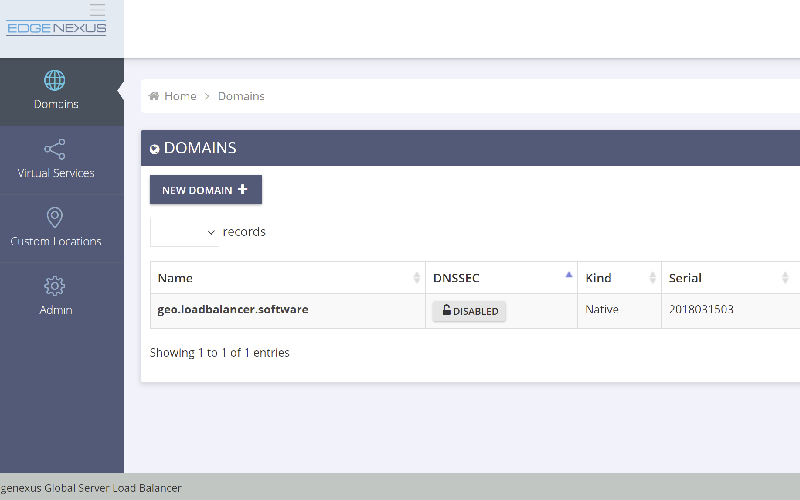
Global Server for Load Balancer is a technology that enables load balancing on a global scale, across multiple data centers and servers. It is designed to address the challenges of managing traffic in a highly distributed and interconnected network environment. With Global Server, a virtual IP address is assigned to represent a group of servers or data centers in different locations. This IP address, known as a virtual server, is shared by all the nodes in the group, and any requests directed towards it are distributed to the closest and least loaded server. This helps in reducing latency, improving response time, and ensuring high availability of resources.
Understanding The Benefits Of Global Server For Load Balancer
Global Server for Load Balancer offers a wide range of benefits for network administrators. One of the main advantages is better traffic management, as it distributes incoming requests across multiple servers and data centers, reducing the burden on any individual node. This, in turn, leads to improved performance, faster response times, and greater reliability. Additionally, Global Server also offers better scalability, allowing for the easy addition or removal of servers as per the changing demands of the network. It also provides better fault tolerance, enabling uninterrupted service even if one or more servers fail. Moreover, Global Server simplifies the management and maintenance of the network, as the load balancing is handled automatically by the technology.
How To Implement Global Server For Load Balancer In Your Network?
Implementing Global Server for Load Balancer in your network involves a few crucial steps. First, you need to identify the servers or data centers that will be included in the pool for load balancing. Then, you need to configure a virtual server and assign it a virtual IP address. This IP address should be set as the primary or default gateway for the servers in the pool. You also need to configure the load balancing algorithm and other parameters, such as session persistence and health checks. Once these configurations are in place, the network will automatically distribute incoming traffic to the appropriate server based on the predefined criteria.
Enhancing Network Performance With Global Server For Load Balancer
Global Server for Load Balancer is an excellent tool for enhancing network performance. By distributing traffic across multiple servers and data centers, it reduces the load on individual nodes, ensuring faster response times and improved overall performance. It also optimizes network traffic by directing requests to the nearest available server based on predefined criteria, such as server load or geographical location. This helps in reducing latency and increasing network speed, further enhancing performance. Additionally, Global Server provides effective load balancing even during high traffic or peak hours, ensuring a smooth user experience.
Common Misconceptions About Global Server For Load Balancer
Despite its many benefits, Global Server for Load Balancer is often misunderstood and associated with some misconceptions. One common misconception is that it can only be utilized for large organizations. However, in reality, Global Server can be beneficial for businesses of all sizes, as it offers cost-effective and efficient load balancing solutions. Another misconception is that Global Server is limited to traditional web applications. On the contrary, it can be used for various types of applications, including web, mobile, and cloud-based services. Lastly, some view Global Server as a complex technology that requires expert knowledge to implement. However, with proper guidance and best practices, it can be easily integrated into any network.
Best Practices For Utilizing Global Server For Load Balancer
To make the most out of Global Server for Load Balancer, there are some best practices that network administrators should follow. These include regularly monitoring and analyzing network traffic to identify any potential bottlenecks or inefficiencies. It is also essential to have a good understanding of the network architecture and the traffic patterns to determine the best placement of virtual servers. Moreover, it is crucial to regularly review and update the load balancing configurations, as the network needs may change over time. Finally, implementing proper security measures is necessary to ensure the integrity and confidentiality of data passing through the load balancer.
Future Of Load Balancing With Global Server Technology
As networks continue to get more complex and geographically dispersed, the need for efficient load balancing solutions will only increase. With the rise of cloud computing, IoT, and edge computing, the demand for global load balancing technologies like Global Server will continue to grow. In the future, we can expect to see advancements in Global Server technology, such as better integration with emerging technologies and more advanced load balancing algorithms. Furthermore, as networks become more critical to business operations, Global Server for Load Balancer will play a vital role in ensuring high availability, performance, and scalability.
Conclusion
Global Server for Load Balancer is a powerful technology that can unleash the true potential of load balancing on a global scale. Its ability to distribute traffic across multiple servers and data centers, optimize network performance, and provide fault tolerance makes it a valuable tool for network administrators. By understanding its benefits, implementation methods, best practices, and dispelling any misconceptions, organizations can maximize the impact of Global Server technology and ensure a robust and efficient network infrastructure. The future of load balancing is undoubtedly promising with the advent of Global Server technology.